
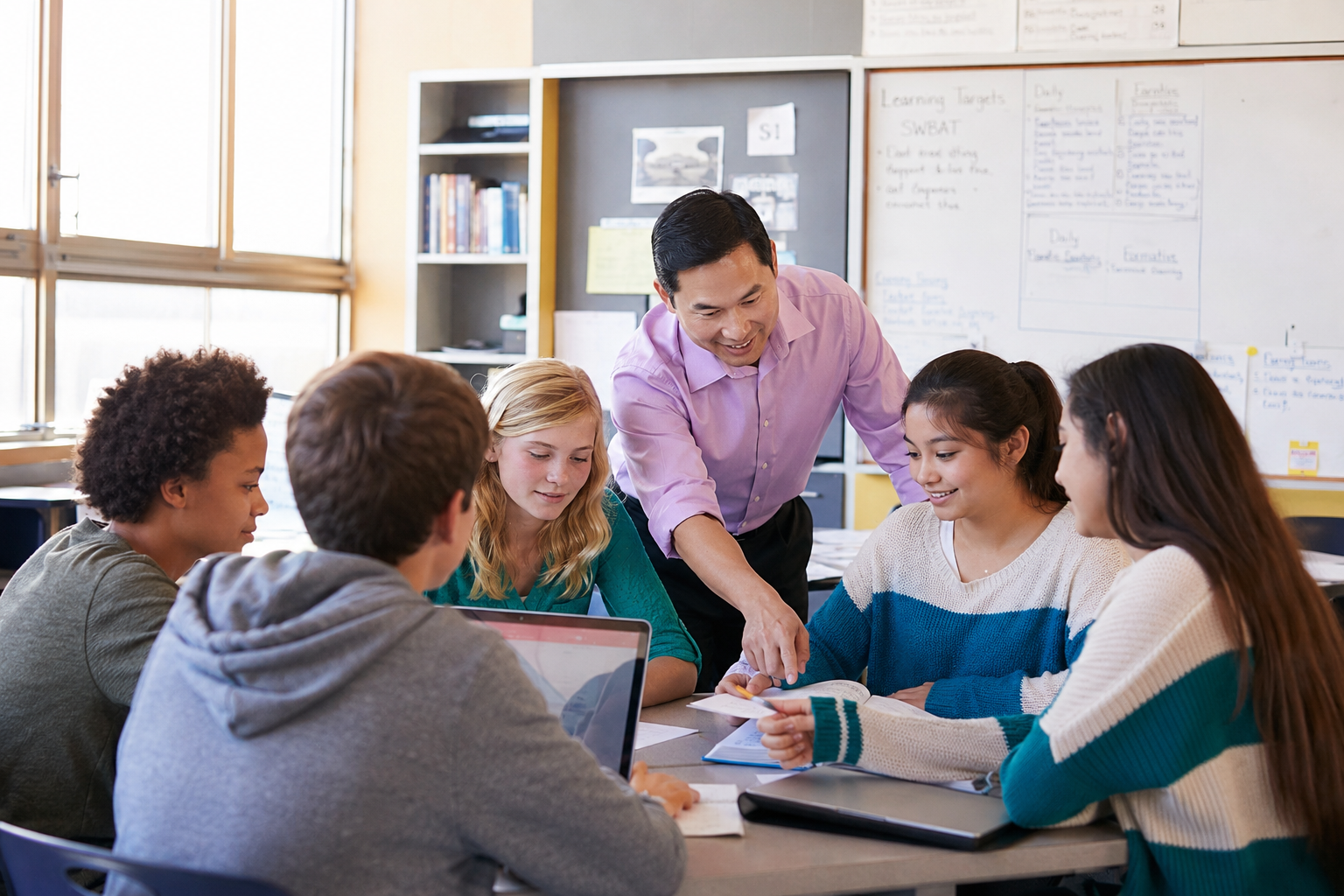
Student centered learning has become an important approach in modern education because it focuses on the needs, interests, abilities, and learning goals of students. Traditional classrooms often place the teacher at the center of the learning process, while student centered learning gives students a more active role. Instead of simply listening to lectures and memorizing information, students participate in discussions, activities, projects, problem solving, and other learning experiences.
Modern classrooms are changing because students need more than academic knowledge to succeed. They also need communication skills, creativity, critical thinking, teamwork, confidence, and the ability to solve problems independently. Student centered learning helps develop these skills by making students active participants in their own education. It also creates a classroom environment where students can explore ideas, ask questions, share opinions, and learn at their own pace.
What Is Student Centered Learning?
Student centered learning is an educational approach where students take an active role in the learning process. Teachers still provide guidance and support, but students are encouraged to take responsibility for understanding concepts and completing learning tasks.
In a student centered classroom, teachers may use group activities, classroom discussions, research projects, presentations, problem solving tasks, educational technology, and real life examples. Students are given opportunities to make choices and express their ideas. This approach recognizes that every student has different abilities, interests, and learning needs.
The main purpose of student centered learning is to make education more meaningful and engaging. When students understand why they are learning something and have an opportunity to apply their knowledge, they are more likely to remember information and develop a deeper understanding of the subject.
Increases Student Engagement
One of the biggest benefits of student centered learning is increased student engagement. Students can lose interest when they spend most of their classroom time listening to lectures or memorizing information. Active participation makes learning more interesting and encourages students to become involved.
For example, instead of simply reading about environmental problems, students can work together to research pollution in their local area and suggest possible solutions. This type of activity gives students a reason to participate and helps them connect classroom knowledge with real life situations.
When students are engaged in learning, they are more likely to pay attention, ask questions, complete assignments, and participate in classroom activities.
Develops Critical Thinking Skills
Critical thinking is an essential skill for students in modern education. Student centered learning provides many opportunities for students to analyze information, compare ideas, ask questions, and make decisions.
Teachers can give students problems that do not have one simple answer. Students can research different possibilities and explain why they support a particular solution. This process teaches them how to think carefully rather than simply accept information.
Critical thinking also helps students become better decision makers. They learn how to examine evidence, recognize different opinions, and develop logical conclusions. These skills are useful not only in school but also in higher education, careers, and everyday life.
Encourages Independent Learning
Student centered learning teaches students to take responsibility for their own education. Instead of depending completely on the teacher for information, students learn how to find answers and improve their understanding independently.
For example, students may be asked to research a topic using books, educational websites, videos, or other learning resources. The teacher provides direction but allows students to take control of the research process.
Independent learning can improve confidence because students discover that they are capable of solving problems and learning new things on their own. It also prepares students for future academic and professional environments where self directed learning is often important.
Improves Communication Skills
Communication is another major benefit of student centered learning. Modern classrooms often include group discussions, presentations, debates, and collaborative projects. These activities encourage students to express their thoughts clearly and listen to the opinions of others.
When students participate in classroom discussions, they learn how to explain their ideas and respond respectfully to different viewpoints. Presentations also help students become more comfortable speaking in front of others.
Strong communication skills can benefit students throughout their lives. Whether they are attending university, applying for a job, working with colleagues, or participating in their communities, the ability to communicate effectively is valuable.
Promotes Collaboration and Teamwork
Many modern careers require people to work as part of a team. Student centered learning prepares students for this reality by encouraging collaboration in the classroom.
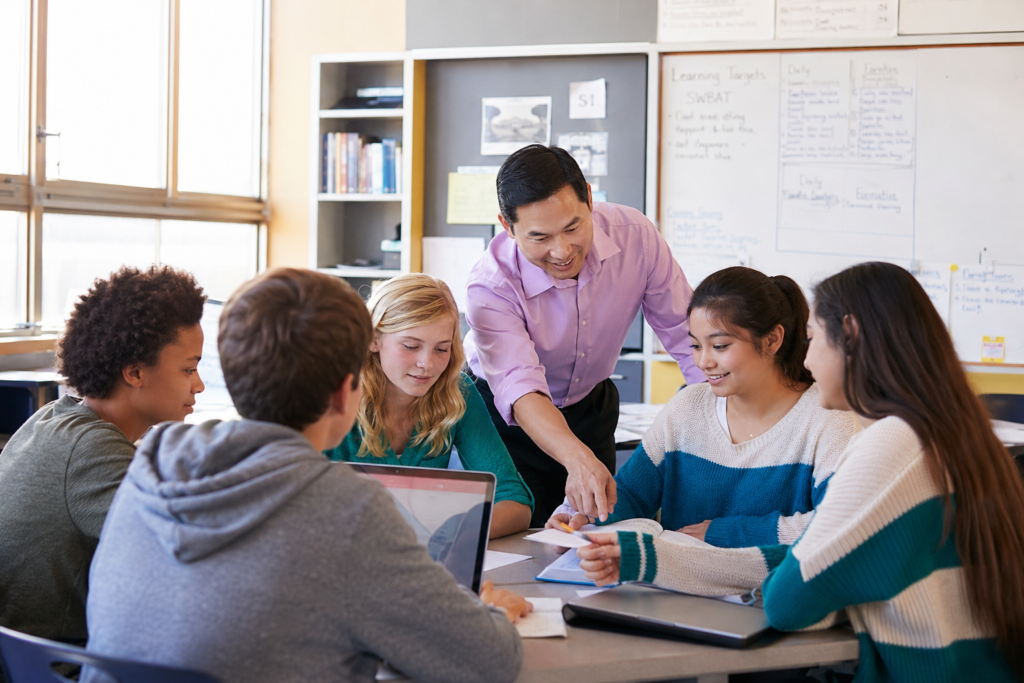
Group projects allow students to divide responsibilities, share ideas, solve problems, and work toward a common goal. They also learn that people may have different strengths and approaches to a problem.
Teamwork activities can teach patience, cooperation, responsibility, and respect. Students learn how to handle disagreements and find solutions together. These experiences can prepare them for professional environments where teamwork is an important part of success.
Supports Different Learning Needs
Every student learns differently. Some students understand concepts quickly through reading, while others learn better through discussion, practice, visual resources, or hands on activities. Student centered learning allows teachers to use different teaching strategies to support these differences.
Instead of expecting every student to learn in exactly the same way, teachers can provide multiple opportunities for learning. Technology can also support this process by giving students access to videos, interactive exercises, digital resources, and educational applications.
This flexible approach can help students feel more comfortable and supported in the classroom.
Builds Student Confidence
Students often become more confident when they are given opportunities to make decisions, share ideas, and solve problems. Student centered learning creates these opportunities regularly.
A student who successfully completes a project or gives a classroom presentation may feel more confident about future challenges. Even when students make mistakes, they can learn from those experiences and improve.
A supportive classroom environment is important because students should feel comfortable asking questions and expressing their opinions. When students know that mistakes are part of learning, they are more willing to participate.
Makes Learning More Meaningful
Student centered learning connects education with real life. Students are more likely to understand the value of a subject when they can see how it applies outside the classroom.
For example, mathematics can be connected with budgeting and personal finance. Science can be connected with health, technology, and environmental issues. Language learning can involve communication activities and real world writing tasks.
These connections help students understand that education is not only about passing exams. Knowledge can also help them solve problems and make better decisions in everyday life.
Encourages Creativity
Creativity is increasingly important in modern education and the workplace. Student centered classrooms give students freedom to explore different ideas and create their own solutions.
Projects, art activities, presentations, writing assignments, and problem solving tasks can encourage students to think creatively. Teachers can ask open ended questions that allow students to approach problems in different ways.
When students are encouraged to experiment and develop original ideas, they can become more confident creative thinkers.
Improves Problem Solving Skills
Problem solving is an important part of student centered learning. Students are often given real or realistic problems that require research, analysis, and decision making.
Instead of giving students the answer immediately, teachers can guide them through the process of finding a solution. Students learn how to identify a problem, collect information, consider possible solutions, and evaluate the results.
These skills can be useful in almost every area of life. Students who develop strong problem solving abilities can approach challenges with greater confidence and patience.
Creates a Positive Classroom Environment
A student centered classroom can create a more positive learning environment because students feel that their opinions and contributions matter. When teachers listen to students and encourage participation, students can develop a stronger connection with the classroom.
Positive relationships between teachers and students can also improve motivation. Students are more likely to participate when they feel respected and supported.
The teacher remains an important part of the learning process, but the role changes from simply delivering information to guiding, supporting, and encouraging students.
Prepares Students for the Future
The world is changing quickly, and students need skills that can help them adapt. Student centered learning prepares students for future academic and professional challenges by developing skills such as communication, collaboration, critical thinking, creativity, independence, and problem solving.
These skills are valuable because future careers may require people to learn new technologies, work with different teams, and solve unfamiliar problems. Students who learn how to learn can be better prepared for these changes.
Conclusion
Student centered learning offers many benefits for modern classrooms. It increases student engagement, develops critical thinking, encourages independent learning, improves communication, supports teamwork, and builds confidence. It also allows teachers to address different learning needs and make education more meaningful.
Modern education should not focus only on memorizing information. Students need opportunities to understand ideas, apply knowledge, solve problems, communicate effectively, and work with others. Student centered learning provides an effective way to develop these abilities.
When students become active participants in their education, learning can become more interesting, practical, and valuable. Teachers who use student centered learning strategies can create classrooms where students are encouraged to explore, question, create, and grow. As education continues to evolve, this approach can play an important role in preparing students for academic success, professional opportunities, and the challenges of everyday life.