Technology has become an important part of modern education. In the past, students mainly depended on textbooks, classroom lectures, notebooks, and physical libraries for learning. Today, technology has changed the way students learn, teachers teach, and schools manage education. From online classes and educational apps to smart classrooms and artificial intelligence, technology is creating new opportunities for students around the world.
The role of technology in education is not only about using computers or smartphones. It is about making learning more flexible, accessible, interactive, and effective. Students can now find information within seconds, communicate with teachers online, attend classes from home, and practice their skills through digital tools. As technology continues to develop, its influence on modern education is expected to become even stronger.
Easy Access to Educational Information
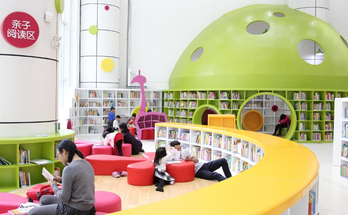
One of the biggest benefits of technology in education is easy access to information. Students no longer have to depend completely on a limited number of books or local libraries. They can search for educational information online and explore different sources related to their subjects.
Websites, digital libraries, online courses, educational videos, and learning platforms provide students with a huge amount of knowledge. If a student does not understand a topic in the classroom, they can search for another explanation online. This makes learning more flexible and allows students to study according to their own needs.
Easy access to information also helps students develop independent learning habits. Instead of waiting for a teacher to explain everything, students can explore topics by themselves and improve their knowledge through research.
Online Learning Has Changed Education
Online learning has become one of the most important examples of how technology is transforming modern education. Students can attend classes through computers, tablets, and smartphones without being physically present in a classroom.
Online education is especially useful for students who live far from schools or universities. It also provides opportunities for people who have jobs or other responsibilities. They can take courses according to their available time.
Online learning platforms also offer recorded lectures, digital assignments, online tests, and discussion forums. Students can review lessons multiple times when they need additional practice. This flexibility makes education more convenient for many learners.
Smart Classrooms Improve Learning
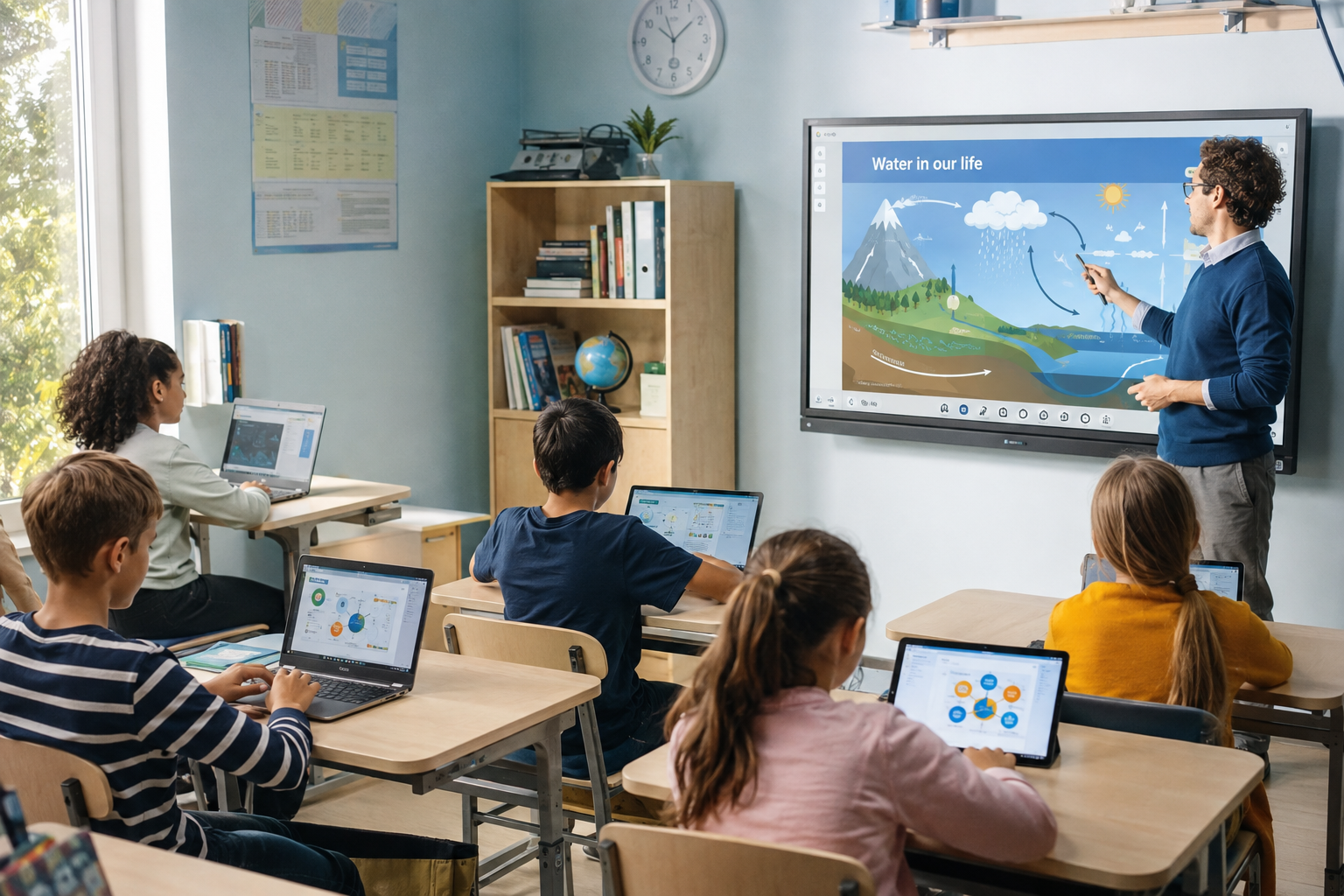
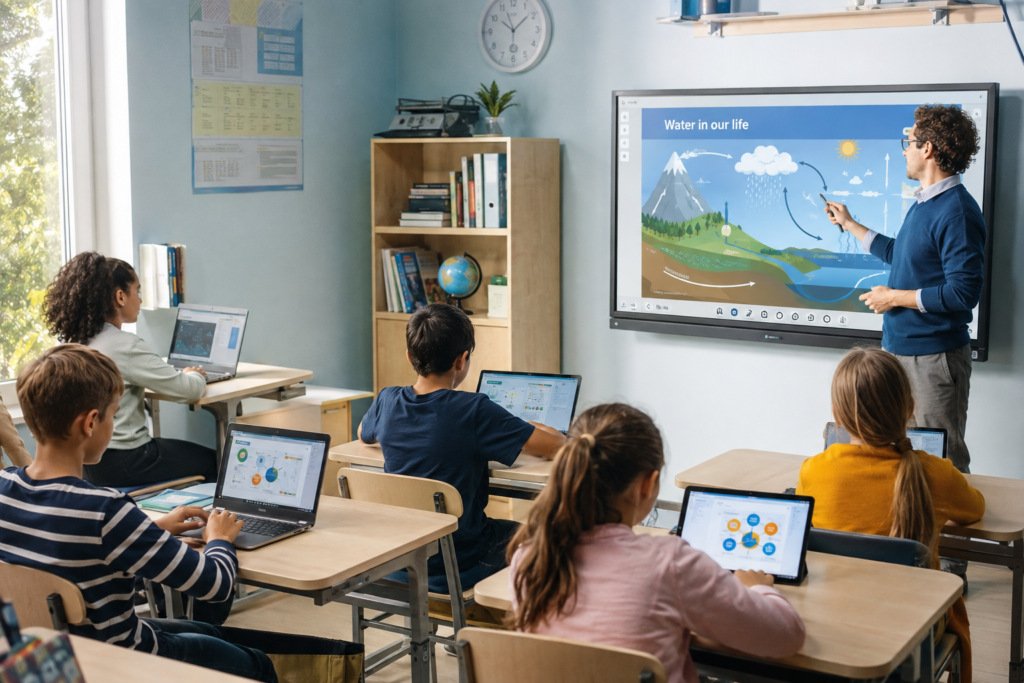
Technology is also changing traditional classrooms into smart learning environments. Modern classrooms may include interactive boards, projectors, computers, tablets, and other digital tools.
Teachers can use videos, presentations, animations, diagrams, and interactive activities to explain difficult concepts. Visual learning can make lessons easier to understand because students can see examples instead of only reading about them.
For example, a science teacher can show an educational animation about the human body. A geography teacher can use digital maps to explain different countries and locations. These tools can make classroom learning more interesting and engaging.
Technology Makes Learning More Interactive
Traditional teaching methods sometimes involve students listening to a lecture for a long period. Technology provides more opportunities for active participation.
Educational games, quizzes, simulations, interactive exercises, and virtual activities can encourage students to participate in lessons. Instead of simply memorizing information, students can practice concepts and receive immediate feedback.
Interactive learning can also improve student motivation. When students enjoy the learning process, they may become more interested in studying and participating in classroom activities.
Personalized Learning for Students
Every student has different learning abilities and needs. Some students understand a topic quickly, while others need more time and practice. Technology can support personalized learning by allowing students to study at their own pace.
Digital learning platforms can provide different types of activities based on student performance. A student who is struggling with mathematics can practice basic questions before moving to advanced topics. Another student who learns quickly can continue with more challenging material.
This approach can help students focus on their weaknesses while also developing their strengths. Personalized learning is becoming an important part of modern education because it recognizes that students do not all learn in exactly the same way.
Artificial Intelligence in Education
Artificial intelligence is becoming another important part of technology in education. AI tools can help students find explanations, practice subjects, generate ideas, and receive learning support.
Teachers can also use artificial intelligence to organize educational content, create practice questions, analyze student performance, and save time on certain administrative tasks.
However, AI should be used responsibly. Students should not depend on technology to complete all their work. Education should continue to encourage original thinking, creativity, research, and problem solving. Artificial intelligence can support learning, but it should not replace the important role of teachers.
Better Communication Between Teachers and Students
Technology has made communication between teachers, students, and parents easier. Schools can use email, learning management systems, messaging platforms, and video meetings to share important information.
Teachers can send assignments and announcements digitally. Students can ask questions outside regular classroom hours when appropriate. Parents can also receive updates about academic progress and school activities.
Better communication can create a stronger connection between schools and families. It can also help students receive support when they face academic difficulties.
Digital Skills Prepare Students for the Future
Modern workplaces require people to understand technology. Students who use technology during their education can develop useful digital skills that may help them in their future careers.
Students can learn how to create presentations, conduct online research, use productivity tools, communicate digitally, organize information, and solve problems using technology. These skills are valuable in many professions.
Education is not only about preparing students for examinations. It is also about preparing them for real life and the workplace. Technology can help schools provide students with practical skills that are relevant to the modern world.
Technology Supports Collaborative Learning
Technology has also improved collaboration among students. Students can work together on digital documents, presentations, projects, and research activities even when they are not in the same physical location.
Online collaboration allows students to share ideas, divide responsibilities, provide feedback, and learn from one another. These activities can improve communication and teamwork skills.
Collaborative learning is important because many modern careers require employees to work successfully with other people. Technology gives students opportunities to develop these skills while they are still in school.
Digital Education Makes Learning More Accessible
Technology can make education more accessible for students with different needs. Digital resources can provide features such as audio materials, subtitles, adjustable text sizes, screen reading support, and recorded lessons.
Students who have difficulty attending physical classes may also benefit from online learning opportunities. Digital education can reduce some barriers and provide more students with access to educational resources.
This does not mean technology solves every challenge in education, but it can provide useful support when schools use it carefully and effectively.
Challenges of Technology in Education
Although technology provides many benefits, it also creates challenges. Not every student has equal access to a reliable internet connection, computer, or smartphone. This digital divide can create differences between students from different economic backgrounds.
Another challenge is distraction. Social media, games, entertainment, and unnecessary internet use can reduce student concentration. Students need guidance to use technology for productive purposes.
Privacy and online safety are also important concerns. Schools and students must understand how to protect personal information and use digital platforms responsibly.
Teachers also need proper training. Simply providing technology does not guarantee better education. Teachers must know how to use digital tools effectively and choose resources that actually support learning.
The Future of Technology in Education
The future of education will likely involve even greater use of digital technology. Artificial intelligence, virtual reality, augmented reality, advanced learning platforms, and other innovations may provide students with new ways to understand complex subjects.
Virtual reality could allow students to explore historical locations or scientific environments without physically traveling. Artificial intelligence may provide more personalized educational support. Digital platforms may continue to connect students and teachers across different parts of the world.
However, the future of education should maintain a balance between technology and human interaction. Teachers provide motivation, emotional support, guidance, and personal understanding that technology cannot completely replace.
Conclusion
Technology is transforming modern education by changing how students access information, attend classes, communicate with teachers, practice skills, and prepare for their careers. Online learning, smart classrooms, educational applications, artificial intelligence, personalized learning, and digital collaboration are making education more flexible and interactive.
At the same time, technology must be used carefully. Schools need to address digital access, online safety, distraction, privacy, and teacher training. The goal should not be to use technology simply because it is available. The goal should be to use it in ways that improve student learning and create meaningful educational experiences.
When technology and good teaching work together, students can gain greater access to knowledge and develop important skills for the future. This is why technology will continue to play an important role in modern education and in shaping the learning environment of future generations.