Modern education is changing the way students learn, think, and solve problems. In the past, education often focused on teachers giving information while students listened, memorized lessons, and repeated what they learned in exams. Today, the focus is moving toward active learning, personal responsibility, creativity, technology, and problem solving. One of the most important goals of modern education is to help students become independent learners who can continue learning without always depending on a teacher.
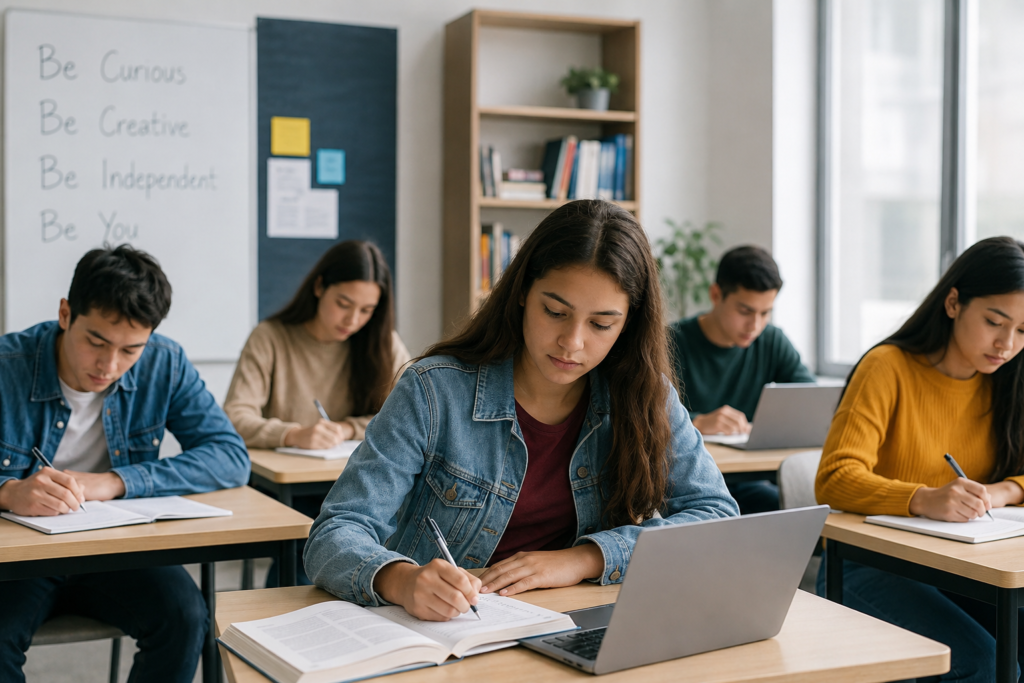
Independent learning is the ability of students to take responsibility for their own education. It means knowing how to find information, set learning goals, manage time, solve problems, evaluate information, and improve knowledge through regular practice. Modern education provides students with many opportunities to develop these skills. Through technology, student centered learning, project based activities, research, collaboration, and personalized learning, students can become more confident and responsible learners.
What Is Independent Learning?
Independent learning means that students take an active role in their own learning process. An independent learner does not wait for a teacher to provide every answer. Instead, the student asks questions, searches for information, studies different resources, practices skills, and evaluates personal progress.
Independent learning does not mean that students never need teachers. Teachers continue to provide guidance, support, feedback, and encouragement. However, students gradually learn how to make decisions about their learning. This helps them become more confident and prepared for higher education, professional life, and everyday challenges.
Student Centered Learning Builds Responsibility
One of the major ways modern education encourages independent learning is through student centered learning. In a student centered classroom, students are not simply passive listeners. They participate in discussions, activities, research, presentations, and problem solving tasks.
Students are often encouraged to choose topics, share ideas, ask questions, and complete tasks in their own way. This responsibility helps students understand that their success depends on their own effort. When students become responsible for their learning, they naturally develop stronger study habits and greater confidence.
Student centered learning also allows learners to understand their strengths and weaknesses. They can identify areas where they need more practice and find suitable ways to improve.
Technology Gives Students Access to Knowledge
Technology has become an important part of modern education. Students can now access educational websites, online courses, digital libraries, educational videos, electronic books, and learning applications from almost anywhere.
This easy access to information gives students more control over their education. If a student does not understand a topic in class, they can search for additional explanations and examples. They can watch educational videos, read different materials, and practice questions until they understand the subject.
Technology also allows students to learn at their own pace. Some students may understand a lesson quickly, while others need additional time. Digital learning resources make it easier for students to repeat lessons and practice difficult concepts independently.
Online Learning Encourages Self Discipline
Online learning is another important part of modern education that supports independent learners. Online courses often allow students to decide when and where they study. This flexibility can help students develop self discipline and time management skills.
Students must organize their schedules, complete assignments, attend online lessons, and prepare for assessments. Since teachers may not always be physically present, students need to take greater responsibility for completing their work.
These habits are useful beyond education. In the workplace, people are often expected to manage their responsibilities without constant supervision. Therefore, online learning can prepare students for professional environments where independence and self management are important.
Project Based Learning Develops Independent Thinking
Project based learning gives students opportunities to work on real problems and meaningful tasks. Instead of simply memorizing information, students may research a topic, develop a solution, create a presentation, or complete a practical project.
During these activities, students need to make decisions and solve problems. They may need to decide what information is useful, which resources they should use, and how they can complete their project successfully.
Project based learning also teaches students that mistakes are part of the learning process. When something does not work, students can try another approach. This develops persistence, creativity, and independent thinking.
Research Skills Help Students Find Information
Independent learners need strong research skills. Modern education gives students many opportunities to conduct research and discover information independently.
Students learn how to search for information, compare different sources, identify useful evidence, and organize what they discover. These skills are especially important because the internet contains a huge amount of information, and not everything available online is accurate.
Learning how to evaluate information helps students become more careful and responsible learners. Instead of accepting every piece of information as true, they learn to ask questions about the source, evidence, and reliability of the information.
Critical Thinking Supports Independent Learning
Critical thinking is closely connected with independent learning. Students who can think critically are better able to examine information, identify problems, compare ideas, and make logical decisions.
Modern classrooms often encourage students to explain their opinions and provide reasons for their answers. Teachers may ask open ended questions instead of giving students simple answers. This encourages students to think deeply and develop their own conclusions.
Critical thinking helps students become less dependent on memorization. They learn how to understand concepts and apply knowledge in different situations. This makes learning more meaningful and useful.
Personalized Learning Supports Individual Needs
Every student has different abilities, interests, learning speeds, and educational needs. Modern education increasingly uses personalized learning approaches to recognize these differences.
Personalized learning allows students to work on areas that require additional attention while moving faster through topics they already understand. Digital platforms can also provide practice activities based on individual performance.
When students experience learning that matches their needs, they can become more motivated. They begin to understand which learning methods work best for them. This awareness is an important part of becoming an independent learner.
Teachers Become Guides and Supporters
Modern education does not reduce the importance of teachers. Instead, the role of teachers is changing. Teachers increasingly act as guides, mentors, and facilitators rather than simply being the main source of information.
A teacher can help students identify learning goals, choose useful resources, develop strategies, and evaluate their progress. At the same time, students are encouraged to take responsibility for completing the learning process.
This relationship creates a healthy balance. Students receive support when they need it but also receive opportunities to work independently.
Time Management Improves Learning Habits
Independent learners need to manage their time effectively. Modern education provides many opportunities for students to develop this skill through assignments, projects, online courses, presentations, and long term activities.
Students learn to divide large tasks into smaller steps, create study schedules, meet deadlines, and organize their priorities. Good time management reduces stress and helps students complete their work more effectively.
These skills can remain useful throughout life. Whether students enter university, start a career, or manage personal responsibilities, the ability to organize time can help them achieve their goals.
Feedback Helps Students Improve
Feedback is another important part of independent learning. Modern education often provides students with regular feedback rather than relying only on final examinations.
Good feedback helps students understand what they are doing well and where they need improvement. Students can use this information to change their learning strategies and practice areas where they are struggling.
Over time, students learn to evaluate their own work. Self assessment encourages them to become more aware of their progress and take responsibility for improvement.
Collaboration Can Also Build Independence
Independent learning does not mean learning alone all the time. Collaboration can actually help students become more independent. Group discussions and teamwork expose students to different ideas and perspectives.
When students work with others, they learn how to communicate, share responsibilities, solve disagreements, and contribute ideas. These experiences can increase confidence and help students understand how they learn best.
After working with others, students can use what they learned to complete individual tasks more effectively.
Lifelong Learning Becomes a Habit
One of the biggest benefits of modern education is that it can prepare students for lifelong learning. The world is constantly changing, and people need to continue developing their knowledge and skills throughout their lives.
Students who become independent learners are better prepared for these changes. They know how to search for information, learn new skills, solve problems, and adapt to unfamiliar situations.
Lifelong learning is especially important in a world where technology and professional requirements continue to develop. Students cannot depend only on what they learn in school. They need the ability and confidence to continue learning in the future.
Conclusion
Modern education helps students become independent learners by giving them greater responsibility, access to information, flexible learning opportunities, and practical experiences. Student centered learning, technology, online education, project based learning, research activities, personalized learning, critical thinking, and regular feedback all contribute to the development of independent learning skills.
The goal of education is no longer only to help students remember information for examinations. It is also to prepare them to think, explore, question, solve problems, and continue learning throughout their lives. When students learn how to manage their education and take responsibility for their progress, they become more confident and capable.
Independent learners are better prepared for higher education, professional careers, and everyday life. By encouraging curiosity, responsibility, self discipline, and critical thinking, modern education gives students the tools they need to become successful learners both inside and outside the classroom.