
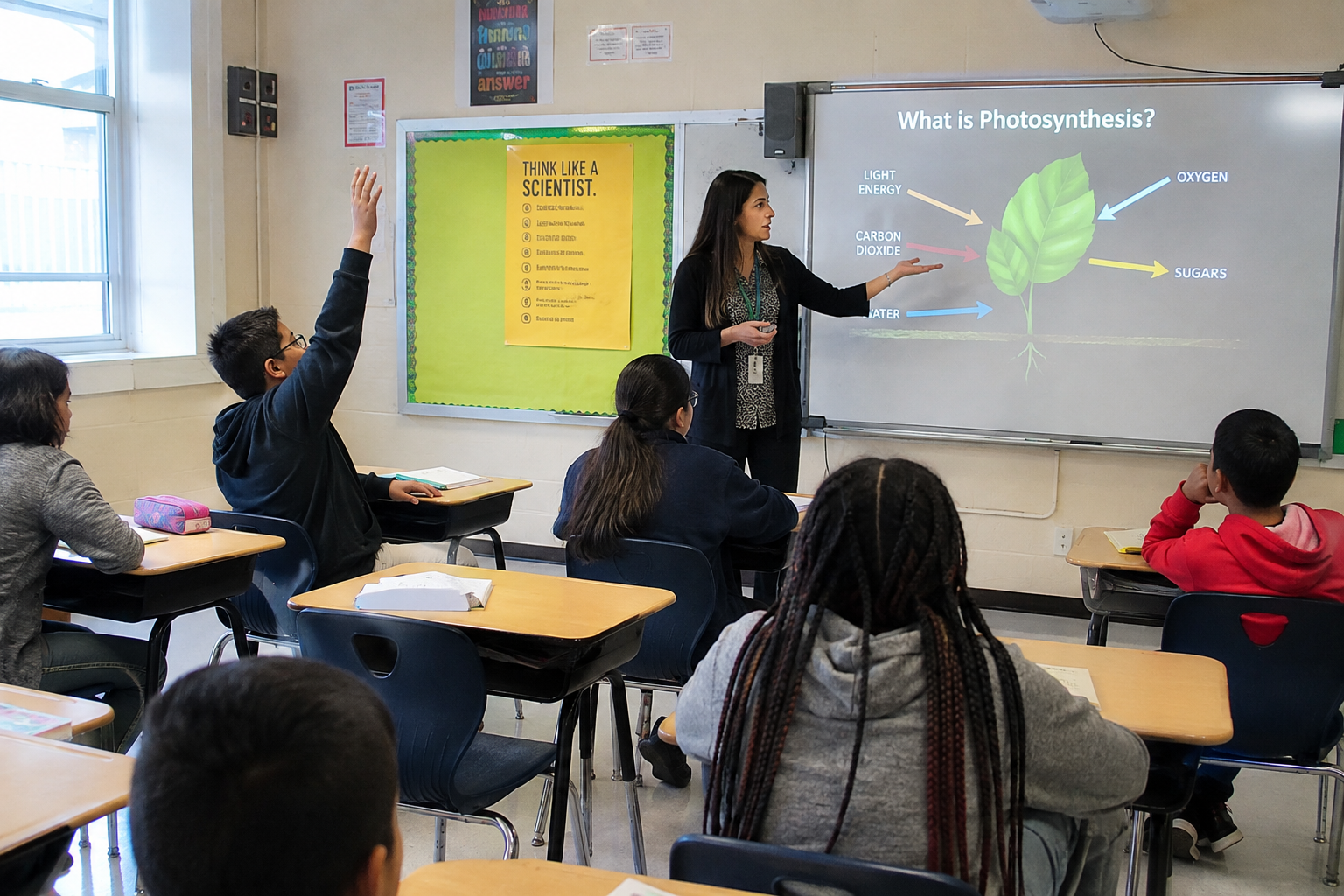
Education is changing quickly because students today learn in different ways than students did in the past. Traditional teaching methods often depend on lectures, textbooks, memorization, and written tests. These methods can still be useful, but modern education needs approaches that make students more active, interested, and involved in the learning process. Modern teaching methods focus on understanding, practical activities, technology, communication, creativity, and problem solving.
Modern teaching methods can improve student learning by creating a classroom environment where students are encouraged to ask questions, share ideas, work with others, and apply what they learn to real life situations. Instead of simply receiving information from a teacher, students become active participants in their education. This approach can help them understand lessons more deeply and remember information for a longer time.
What Are Modern Teaching Methods?
Modern teaching methods are educational approaches designed to make learning more interactive, practical, flexible, and student focused. These methods include collaborative learning, project based learning, technology supported education, flipped classrooms, inquiry based learning, personalized learning, classroom discussions, educational games, and practical activities.
The main goal of modern teaching methods is not only to provide information. The goal is to help students understand concepts and develop useful skills that they can apply outside the classroom. Students learn how to think, communicate, solve problems, make decisions, and work with others.
Make Students More Active in Learning
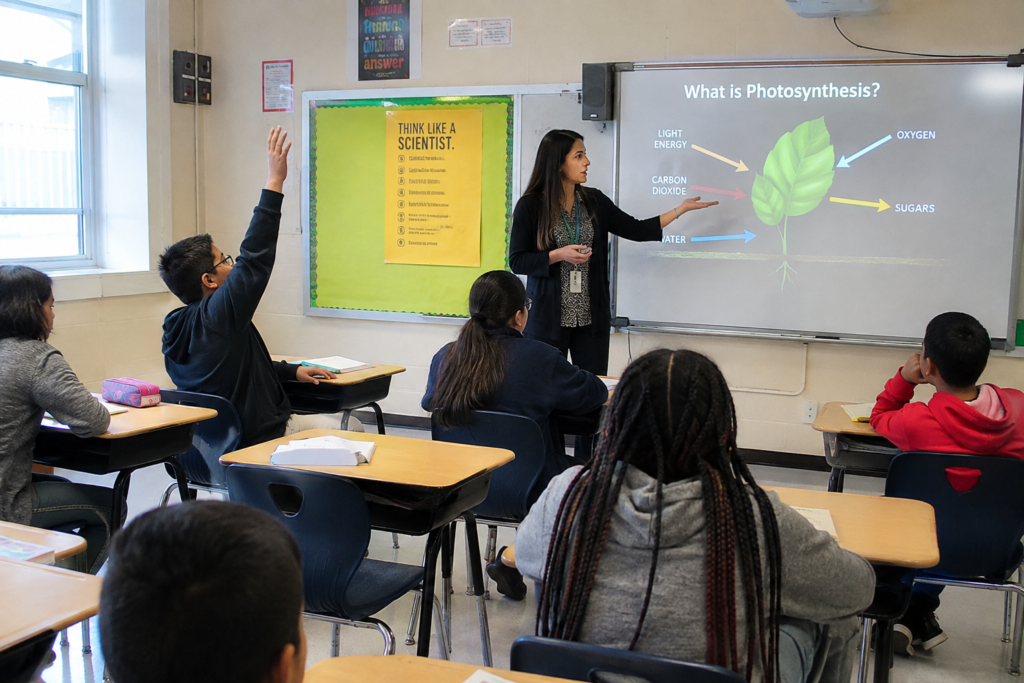
One of the biggest advantages of modern teaching methods is that they make students active participants. In a traditional classroom, students may spend most of their time listening to a teacher. Modern classrooms encourage students to participate through discussions, activities, questions, presentations, and group work.
When students actively participate in a lesson, they have more opportunities to understand the subject. For example, instead of simply reading about environmental problems, students can discuss pollution, research its causes, and suggest possible solutions. This makes the lesson more meaningful and encourages students to think independently.
Active learning also helps students become more confident. When they regularly share their opinions and answer questions, they become more comfortable expressing their ideas in front of others.
Improve Student Engagement
Student engagement is an important part of successful education. If students are bored or disconnected from a lesson, they may have difficulty understanding and remembering information. Modern teaching methods help make lessons more interesting by including activities that connect with students’ interests and experiences.
Educational games, videos, interactive presentations, group projects, quizzes, and practical tasks can make learning more enjoyable. When students enjoy the learning process, they are more likely to pay attention and participate.
Technology can also increase engagement. Teachers can use digital presentations, educational websites, online quizzes, learning applications, and virtual activities to explain difficult topics in simple and interesting ways.
Support Different Learning Needs
Every student is different. Some students understand information quickly through reading, while others learn better through listening, watching, practicing, or discussing ideas. Modern teaching methods recognize these differences and provide multiple ways for students to learn.
A teacher may explain a topic through a short lecture, show an educational video, organize a practical activity, and then ask students to work in groups. This gives students several opportunities to understand the same concept.
Personalized learning can also help students work according to their abilities. Students who need additional support can receive extra practice, while students who understand a topic quickly can work on more challenging activities.
Encourage Critical Thinking
Modern education is not only about remembering facts. Students also need to know how to analyze information, compare ideas, identify problems, and make logical decisions. Modern teaching methods encourage these abilities through questions, discussions, research, and problem solving activities.
For example, instead of asking students to memorize information about a historical event, a teacher can ask them why the event happened, how different people were affected, and what lessons can be learned from it. Such questions encourage students to think beyond simple answers.
Critical thinking is useful both inside and outside school. Students who develop strong thinking skills can make better decisions and deal with everyday problems more effectively.
Improve Collaboration and Communication
Modern teaching methods often include group activities and collaborative projects. These activities teach students how to work with people who may have different opinions, backgrounds, and ideas.
During group work, students learn how to divide responsibilities, communicate clearly, listen to others, and solve disagreements. These skills are important for academic success and future professional life.
Communication skills are also improved through presentations, classroom discussions, debates, and student led activities. Students become more confident when they have regular opportunities to explain their ideas to others.
Connect Education With Real Life
One major benefit of modern teaching methods is the connection between classroom learning and real life. Students often ask why they need to learn a particular subject. Practical teaching can help answer this question.
For example, mathematics can be connected with budgeting, shopping, business, and personal finance. Science can be connected with health, technology, nature, and environmental issues. Language learning can involve communication, writing, presentations, and everyday situations.
When students understand how knowledge can be used in real life, they are more likely to see the value of education. Practical learning can also help students remember concepts because they have experienced how those concepts work.
Use Technology Effectively
Technology has become an important part of modern education. Digital tools can provide students with quick access to information and educational resources. Teachers can use computers, tablets, interactive boards, online platforms, videos, and educational applications to support classroom learning.
Technology can also make learning more flexible. Students can review recorded lessons, complete online exercises, research topics, and practice skills outside the classroom.
However, technology should be used carefully. It should support learning rather than distract students. The teacher still plays an important role in guiding students, explaining difficult ideas, checking understanding, and providing personal support.
Encourage Project Based Learning
Project based learning allows students to explore a topic through a practical project. Instead of completing only traditional exercises, students may research a problem, collect information, create a presentation, build a model, or develop a solution.
This method combines knowledge with practical skills. Students learn how to plan their work, conduct research, manage time, solve problems, and present their results.
Projects can also make students more responsible for their own learning. They need to make decisions and take ownership of their work, which can improve confidence and independence.
Provide Faster Feedback
Feedback is essential for student improvement. Modern teaching methods often provide more opportunities for teachers to understand student progress during the learning process.
Online quizzes, classroom questions, short activities, and group discussions can help teachers identify areas where students are struggling. Teachers can then explain the topic again or provide additional practice.
Good feedback should help students understand what they did well and what they need to improve. This approach can encourage students to view mistakes as part of learning rather than as a reason to give up.
Make Learning More Flexible
Modern teaching methods can provide flexibility in where, when, and how students learn. Online resources allow students to review lessons at their own pace. Digital materials can also provide additional support for students who need more time to understand a topic.
Flexible learning is especially useful because students do not all learn at the same speed. Some may understand a lesson after one explanation, while others may need several examples and practice activities.
This flexibility can reduce learning pressure and give students greater control over their educational progress.
Develop Skills for the Future
Modern teaching methods prepare students for more than academic examinations. They help students develop skills that are valuable in higher education, employment, and everyday life.
These skills include communication, creativity, teamwork, critical thinking, problem solving, digital literacy, research, decision making, and time management.
The modern workplace continues to change because of technology and new industries. Students need to be adaptable and willing to learn new skills. Modern education can prepare them for these changes by focusing on both knowledge and practical abilities.
Conclusion
Modern teaching methods improve student learning by making education more active, engaging, practical, and flexible. They encourage students to participate in lessons instead of simply listening and memorizing information. Through technology, group work, projects, discussions, practical activities, and personalized learning, students can develop a deeper understanding of their subjects.
These methods also help students develop important skills such as critical thinking, communication, creativity, collaboration, and problem solving. When education connects classroom knowledge with real life situations, students can better understand why learning matters.
Teachers remain an important part of this process. Modern teaching methods do not replace teachers. Instead, they give teachers better ways to support students and create meaningful learning experiences. When used properly, modern teaching methods can create classrooms where students are more confident, curious, active, and prepared for the future.
For this reason, modern teaching methods have become an important part of modern education. They can help schools move beyond simple memorization and create learning experiences that support both academic achievement and personal development.