
Independent study can be one of the most effective ways to improve your knowledge and academic performance. When you study on your own, you can choose your subjects, manage your time, review difficult lessons, and learn at your own pace. However, independent study also comes with a common problem. There is no teacher sitting beside you to keep you focused, and there may be many things around you that can easily take your attention away from your books.
A phone notification, a television program, social media, household noise, or even a small thought about something unrelated to your studies can interrupt your concentration. Once your attention is lost, it can take several minutes to return to the lesson. If this happens repeatedly, a study session that should take one hour may take much longer.
Learning how to avoid distractions during independent study is therefore an important study skill. The good news is that you do not need a perfect environment to concentrate. You need a few practical habits that make it easier to stay focused.
Understand What Causes Distractions
The first step to avoiding distractions is understanding where they come from. Distractions are not always caused by technology. Sometimes the biggest distraction is your own mind.
External distractions include your mobile phone, television, conversations, loud sounds, social media, games, unnecessary visitors, and an uncomfortable study space. These things are outside your mind and can often be controlled by changing your environment.
Internal distractions are different. They include worrying about something, thinking about future plans, feeling bored, remembering an unfinished task, or simply wanting to do something more enjoyable.
For example, you may sit down to study mathematics but suddenly remember that you need to reply to a message. You may then check your phone for a moment. After replying to one message, you may open another application. Before you realize it, twenty minutes have passed.
Recognizing these patterns helps you take control of your study time.
Create a Dedicated Study Space
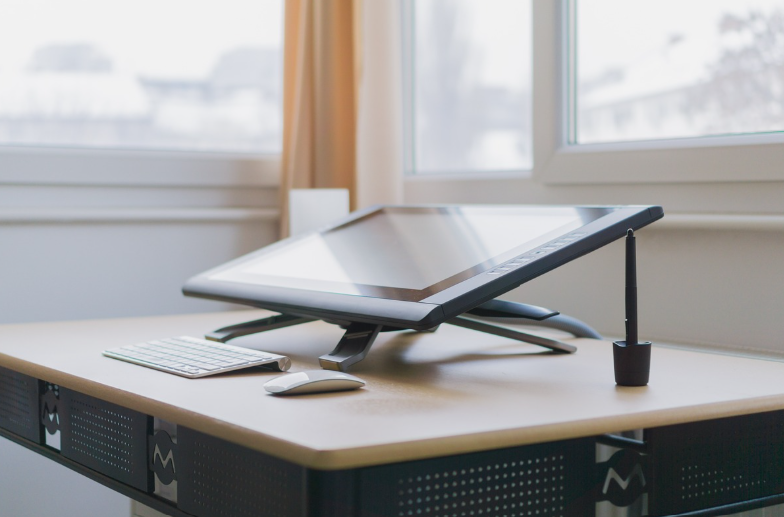
Your study environment has a strong effect on your concentration. You do not need an expensive desk or a special room. Even a small, clean area can work well if you use it mainly for studying.
Choose a place where you can sit comfortably and keep your books, notebook, pens, and other study materials nearby. Remove unnecessary objects from the table because a crowded space can make it harder to concentrate.
If possible, avoid studying in front of a television or in a place where people frequently walk around. A quieter corner of your home can make independent study much easier.
Try to keep your study area organized. When everything has its place, you spend less time looking for materials and more time learning.
Over time, your brain may begin to associate that space with studying. Simply sitting there can help you enter a more focused state.
Keep Your Mobile Phone Away
For many students, the mobile phone is one of the biggest distractions during independent study. Even when you are not actively using it, knowing that it is nearby can make you curious about new messages or notifications.
The simplest solution is to keep your phone away from your study area. Put it in another room, place it inside a drawer, or give it to a family member temporarily if necessary.
If you need your phone for studying, turn off unnecessary notifications. Keep only the applications or functions that you actually need.
You can also use silent mode or a focus setting to reduce interruptions. The goal is not to stop using your phone completely. The goal is to make sure the phone does not control your attention.
Checking your phone during every small break can also become a habit. Instead, decide in advance when you will check it.
Set a Clear Study Goal
One reason students become distracted is that they begin studying without knowing exactly what they want to accomplish.
Instead of saying, “I will study science today,” create a specific goal.
For example, you might decide to read one chapter, make notes on two topics, solve twenty practice questions, or revise a particular lesson.
A clear study goal gives your session direction. You know what you need to complete, so you are less likely to waste time deciding what to do next.
Your goal should also be realistic. If you have only one hour, do not create a plan that requires four hours of work. A realistic goal creates motivation because you can see your progress.
Study in Short Focused Sessions
Trying to study continuously for many hours can make concentration difficult. Your mind may become tired, and distractions may become more tempting.
Instead, divide your study time into manageable sessions. You might study for twenty five or thirty minutes and then take a short break.
During the focused period, give your full attention to your lesson. During the break, stand up, drink water, stretch, or walk around for a few minutes.
The exact length of your study session can depend on your age, subject, energy level, and personal preference. The important point is to create a clear difference between study time and break time.
A short focused session is often more productive than a long session filled with interruptions.
Make a Simple Study Schedule
A study schedule can help you protect your independent study time. Without a schedule, it is easy to postpone studying until later.
Write down when you will study and what you plan to cover. For example, you might study English from 5:00 to 5:40, take a short break, and then study mathematics from 5:50 to 6:30.
A schedule does not need to be complicated. It should be easy to understand and realistic enough to follow.
Try to study at similar times each day when possible. A regular routine can make studying feel more natural.
Remember that a schedule is a guide, not a punishment. If something unexpected happens, adjust the plan and continue instead of giving up completely.
Remove Unnecessary Browser Tabs
Students who use a computer for independent study can face another type of distraction. You may open a website for research and then notice another interesting page.
Soon you may have many browser tabs open, including social media, videos, shopping pages, news websites, and study materials.
Before beginning your study session, close everything that is not necessary.
If you need the internet for research, open only the websites related to your current task. Complete the research and return to your lesson.
You can also save useful resources for later instead of opening every interesting link immediately.
This simple habit helps keep your digital study environment organized.
Avoid Social Media During Study Time
Social media is designed to encourage frequent checking. New posts, messages, videos, and notifications can easily pull your attention away from your books.
If social media is a major distraction for you, create specific times for checking it. For example, you might decide to check social media after completing your planned study session.
Do not use social media as a study break if you know that it will be difficult to stop. A five minute break can quickly become thirty minutes.
Instead, choose activities that help you relax without pulling you into another long activity.
Keep a Distraction List
Sometimes an important thought appears while you are studying.
You may suddenly remember that you need to buy something, send an email, call someone, or complete another task.
If you immediately stop studying to handle every thought, your concentration will suffer.
A useful solution is to keep a small notebook beside you. Whenever an unrelated thought appears, write it down and return to your lesson.
For example, you might write:
Call the teacher tomorrow.
Buy notebooks.
Check the email after studying.
This gives your mind a place to store the thought. You do not have to act on it immediately.
After your study session, review the list and deal with the items that actually need attention.
Keep Your Study Materials Ready
Searching for materials during a study session can create unnecessary interruptions.
Before you begin, collect everything you expect to need. This may include textbooks, notebooks, pens, pencils, a calculator, water, and any required digital resources.
If you are studying online, open the necessary documents before starting.
Preparation reduces the number of reasons you have to leave your study area.
It also creates a smoother study experience. Once you begin, you can focus on learning instead of repeatedly getting up to find something.
Manage Noise Around You
Noise can be a serious distraction, especially when you are reading or trying to remember difficult information.
If possible, choose a quiet room. Tell family members that you need uninterrupted time when you are studying.
If complete silence is not possible, you may find another solution that works for you. Some students prefer quiet background sounds, while others concentrate better in complete silence.
Avoid using entertainment videos or songs that make you want to pay attention to the content. The purpose of your study environment is to support concentration.
Take Care of Your Physical Needs
Sometimes what feels like a distraction is actually physical discomfort.
If you are hungry, thirsty, extremely tired, or uncomfortable, focusing on a lesson becomes much harder.
Drink enough water and have appropriate meals during the day. Choose a comfortable chair and maintain a reasonable study posture.
Sleep is also important. A tired mind has more difficulty maintaining attention.
Independent study does not mean studying every possible minute. Rest is part of effective learning.
Avoid Multitasking
Many students believe they can study while watching television, chatting with friends, listening to videos, and checking messages. In reality, switching between activities can make learning less effective.
When you study, try to focus on one main task at a time.
If you are reading a chapter, read the chapter. If you are solving questions, solve the questions. If you are writing notes, concentrate on making useful notes.
Single tasking may feel slower at first, but it helps you give deeper attention to your work.
Use Active Study Methods
Boredom can become a major source of distraction. If you only read the same information repeatedly, your mind may start looking for something more interesting.
Active study methods can make learning more engaging.
Ask yourself questions about what you are reading. Explain difficult ideas in your own words. Make short notes. Solve practice questions. Create examples from everyday life.
After reading a section, close the book and try to remember the main points.
These methods require your brain to participate actively. As a result, studying can become more interesting and meaningful.
Set Small Targets
Large assignments can feel overwhelming. When a task feels too large, you may start avoiding it.
Instead of thinking about completing an entire textbook, focus on the next small task.
You can say:
I will read five pages.
I will solve ten questions.
I will review one topic.
I will write one page of notes.
Small targets create a sense of progress. Once you complete one target, you can move to the next.
This approach is especially useful when you have difficulty starting your study session.
Deal With Boredom Without Quitting
Not every subject will be exciting. Sometimes you will need to study a topic that you find difficult or boring.
When boredom appears, do not immediately reach for your phone.
First, change your study method. If you were reading, try making notes. If you were making notes, answer practice questions. If you were memorizing information, explain it aloud.
You can also change your study position during a break.
The purpose is to refresh your attention without abandoning the study goal.
Use Breaks Wisely
Breaks are important, but the activity you choose during a break matters.
If you spend your entire break watching short videos, you may find it difficult to return to your books.
Try activities that refresh your body and mind. Walk around the room, stretch, drink water, take a few deep breaths, or simply rest your eyes.
Keep the break short enough that returning to study does not feel difficult.
A good break should help you return with better concentration.
Practice Returning to Focus
Even with the best study environment, your mind will sometimes wander. This is normal.
The important skill is learning how to return to the task.
When you notice that your attention has moved somewhere else, do not become frustrated. Simply recognize the distraction and bring your attention back to the lesson.
For example, if you suddenly start thinking about a conversation from earlier, notice the thought, write it down if necessary, and continue reading.
Concentration improves with practice. Every time you notice a distraction and return to your work, you are strengthening your ability to focus.
Reward Yourself After Completing Your Goal
Rewards can provide additional motivation.
Choose a small activity you enjoy and connect it with completing your study goal. You might watch a program, talk with a friend, play a game, or spend some time online after finishing your planned work.
The reward should come after the task rather than replacing it.
This creates a simple pattern. First you complete your responsibility, and then you enjoy your free time without feeling guilty about unfinished work.
Review Your Study Habits
At the end of the day or week, take a few minutes to think about your study sessions.
Ask yourself:
What distracted me most?
When was I most focused?
Did my study space help me?
Did I use my phone too much?
Were my study goals realistic?
Did I take useful breaks?
Your answers can help you improve your routine.
There is no single study method that works perfectly for everyone. The goal is to discover which habits help you personally maintain concentration.
Build Focus Gradually
You do not need to become highly focused overnight.
If you currently struggle to study for twenty minutes without checking your phone, start with a shorter period and gradually increase it.
For example, you might begin with fifteen minutes of focused study. After becoming comfortable with that, increase the session to twenty or thirty minutes.
Small improvements can eventually create strong concentration habits.
Consistency is more important than trying to achieve perfection from the first day.
Final Thoughts
Avoiding distractions during independent study is mainly about creating an environment and routine that support your attention. You cannot remove every distraction from your life, but you can reduce many of the interruptions that waste your study time.
Start by choosing a suitable study space, keeping your phone away, setting clear goals, preparing your materials, and studying in focused sessions. Use short breaks, avoid multitasking, and keep a distraction list for unrelated thoughts.
Most importantly, do not become discouraged when your mind wanders. Losing focus occasionally is normal. The important thing is to notice the distraction and return to your work.
Independent study becomes easier when good habits are repeated regularly. With practice, you can improve your concentration, use your study time more effectively, and make steady progress toward your academic goals.