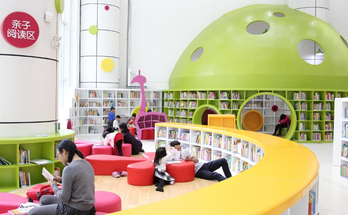
Reading is one of the most useful habits a student can develop. It helps students learn new things, improve their language skills, understand different ideas, and become more confident in their knowledge. Many students read only when they have homework, tests, or classroom assignments. Once school or college work is finished, they may not feel interested in opening a book. However, reading outside the classroom can provide many benefits that regular schoolwork cannot always offer.
Developing a habit of reading outside the classroom does not mean spending several hours with a book every day. It simply means making reading a regular part of daily life. A student can begin with a few pages each day and slowly increase the amount of reading over time.
The important thing is to choose suitable reading material, create a comfortable routine, and make reading enjoyable instead of treating it like another school assignment.
Why Reading Outside the Classroom Matters
Classroom learning usually follows a planned syllabus. Students study the subjects and topics selected by their teachers or educational institutions. This type of learning is important, but it does not cover every subject that can help a student grow.
Reading outside the classroom gives students the freedom to explore topics that interest them. A student who enjoys science can read popular science books. Someone interested in history can explore historical stories and biographies. Students who enjoy stories can read novels, short stories, and other forms of literature.
Regular reading also introduces students to different writing styles and ideas. Over time, they may develop better vocabulary and stronger communication skills.
Reading can also encourage curiosity. When students discover an interesting fact in a book, they may want to learn more about it. This curiosity can become a powerful part of lifelong learning.
Start With Books You Enjoy
One of the easiest ways to develop a reading habit is to choose books that genuinely interest you.
Students sometimes believe that they must begin with difficult or serious books. This can make reading feel like hard work. There is nothing wrong with starting with simple and enjoyable material.
Think about the subjects you already like. If you enjoy animals, look for books about wildlife. If you like technology, explore beginner friendly books about computers or inventions. If you enjoy stories, choose a novel that matches your interests.
The goal at the beginning is not to read the most difficult book available. The goal is to make reading a pleasant activity that you want to repeat.
When students enjoy what they are reading, it becomes much easier to continue.
Set a Small Daily Reading Goal
A common mistake is setting a reading goal that is too large.
A student may decide to read fifty pages every night. After a few days, schoolwork and other responsibilities may make the goal difficult to maintain. The student then becomes discouraged and stops reading.
A smaller goal is often more practical.
Start with five to ten pages a day. You can also set a reading time of ten or fifteen minutes. Once this becomes comfortable, gradually increase the amount.
A small daily goal may seem unimportant at first, but consistency matters more than quantity. Reading ten pages every day can become a strong habit when it is continued for many weeks.
The purpose of a reading goal is to create regularity rather than pressure.
Choose a Regular Reading Time
A fixed reading time can make a reading habit easier to maintain.
Look at your daily schedule and find a period when you are usually free. You might read after breakfast, during an afternoon break, before going to bed, or after completing your homework.
Reading at the same time each day helps your mind recognize that this is part of your routine.
For example, you could decide to read for fifteen minutes before sleeping. After following this routine for some time, reaching for a book at night may begin to feel natural.
Your reading time does not have to be long. What matters is choosing a time that you can realistically follow.
Keep a Book Nearby
Sometimes students want to read but do not have a book available when they have free time.
Keeping a book nearby can solve this problem.
Place your current book beside your bed, in your school bag, on your study table, or in another convenient location. When you have a few free minutes, you can read instead of spending that time doing something less useful.
A physical book is not the only option. You can also use an ebook or another suitable reading format if that is more convenient for you.
The easier it is to access your reading material, the easier it becomes to continue the habit.
Create a Comfortable Reading Environment
Your reading environment can affect how easily you concentrate.
Choose a place where you feel comfortable and where unnecessary interruptions are limited. Good lighting is also important, especially when reading for longer periods.
You do not need an expensive reading room. A simple chair, a study table, and enough light can be enough.
Try to keep your reading area reasonably organized. If your surroundings are constantly distracting you, it may become difficult to focus on the book.
A comfortable environment can make reading feel relaxing rather than demanding.
Reduce Digital Distractions
Phones, social media, games, and videos can easily take attention away from reading.
A student may plan to read for twenty minutes but check the phone after only a few minutes. One notification can lead to another, and soon the reading session is over.
Try keeping your phone away while reading. You can turn off unnecessary notifications or use a quiet mode if needed.
This does not mean you must completely avoid technology. The goal is simply to give your book your full attention for a short period.
Even fifteen minutes of focused reading can be more useful than an hour of reading while constantly checking a phone.
Read Different Types of Material
Reading outside the classroom becomes more interesting when students explore different types of material.
You can read novels, biographies, history books, science books, magazines, essays, travel writing, and other educational material.
Different forms of reading provide different experiences.
A biography can introduce you to the life of an important person. A science book can explain how something works. A novel can improve imagination and introduce you to different characters and situations.
You do not need to stay with one type of book forever. Exploring different subjects can help you discover new interests.
Do Not Worry About Reading Slowly
Some students avoid reading because they believe they read too slowly.
Reading speed is not the only measure of good reading. Understanding the material is more important.
When reading a difficult topic, take your time. Read a paragraph again if necessary. Look up unfamiliar words when they are important to understanding the subject.
As you continue reading regularly, your confidence and reading speed may improve naturally.
There is no need to compete with another student. Everyone develops reading skills at a different pace.
Keep a Simple Reading List
A reading list can help you stay motivated.
Whenever you hear about an interesting book, write its title somewhere. You can keep the list in a notebook, on your phone, or in another convenient place.
Having several possible books to choose from can prevent the feeling of not knowing what to read next.
You can divide your list into different subjects. For example, you might have separate sections for fiction, science, history, personal development, and general knowledge.
A reading list also gives you a sense of progress as you complete books.
Make Notes While Reading
Taking simple notes can make reading more meaningful.
You do not need to write long summaries after every chapter. Instead, note important ideas, interesting facts, unfamiliar words, or questions that come to your mind.
For example, if you are reading a history book, you might write down important dates and events. If you are reading a science book, you might record a new concept that you want to understand better.
Writing notes encourages active reading. It also makes it easier to remember what you have learned.
Talk About What You Read
Discussing books with other people can make reading more enjoyable.
You can talk about a book with classmates, friends, teachers, parents, or other family members. Explain what you liked about it and what you learned.
You can also ask other people about books they have enjoyed.
These conversations can introduce you to new reading material. They can also help you understand different opinions about the same book.
If your school has a library club or reading group, participating can provide additional motivation.
Use the Library
Libraries are valuable places for students who want to develop a reading habit.
A library provides access to many different books without requiring students to buy every book they want to read.
Spend some time exploring different sections. You may discover books about subjects you had never considered before.
If you are unsure what to choose, ask the librarian or teacher for suggestions based on your interests.
Visiting a library regularly can itself become part of your reading routine.
Do Not Force Yourself to Finish Every Book
Sometimes students begin a book and quickly realize that it does not interest them.
There is no need to feel guilty about this.
If a book is not suitable for your current interests or reading level, you can put it aside and try another one. This is especially helpful when you are developing a reading habit.
The purpose of reading outside the classroom is to learn and enjoy reading. If every book feels like an obligation, it becomes harder to continue.
Give yourself permission to explore different books until you find material that keeps your attention.

Connect Reading With Your Interests
Reading becomes easier when it connects with something you already care about.
For example, a student who enjoys football might read about famous players, sports history, training methods, or major competitions. A student interested in computers might read about programming, inventions, cybersecurity, or the history of technology.
This approach can help students understand that reading is not limited to textbooks.
Almost every interest has books and other reading material connected to it.
Make Reading Part of Your Weekend
Weekends often provide more free time than school days.
Instead of waiting until you have nothing else to do, create a small weekend reading session.
You might read for thirty minutes on Saturday morning or spend some quiet time with a book on Sunday afternoon.
Weekend reading can also be useful for exploring longer books that require more concentration.
However, do not turn your weekend reading into another source of stress. The purpose is to enjoy learning and develop consistency.
Track Your Progress
Tracking your reading can provide motivation.
You can write down the title of each book you finish and the date you completed it. You can also record the number of pages you read each week.
A simple reading journal can include three questions:
What did I read?
What did I learn?
What did I enjoy?
Answering these questions takes only a few minutes and helps you think about your reading experience.
Over several months, you may be surprised by how much you have read.
Make Reading a Family Activity
Families can also help children and teenagers develop reading habits.
Parents can encourage reading by keeping books available at home and allowing children to choose suitable material. Family members can discuss books together or set aside a quiet reading period.
Even when everyone reads a different book, sharing the same reading time can create a positive environment.
Students are more likely to see reading as a normal part of life when they regularly see other people reading.
Use Short Reading Opportunities
You do not always need a long period of free time to read.
If you have ten minutes before class, during a break, or while waiting for an appointment, you can read a few pages.
These small opportunities can add up.
For example, reading five pages in the morning and five pages in the evening gives you ten pages a day without requiring a large amount of free time.
This approach is especially useful for students who have busy schedules.
Avoid Comparing Your Reading Progress With Others
Every student has different responsibilities, interests, and reading speeds.
One student may finish a book in a week while another may need a month. This does not mean one student is automatically a better reader.
Focus on your own progress.
If you read regularly and understand what you read, you are developing a valuable habit.
The purpose of reading is not to impress other people. It is to improve your knowledge, thinking, language, imagination, and understanding.
Be Patient When Building the Habit
A reading habit does not usually develop in a single week.
There may be days when you feel tired or too busy to read. Missing one reading session does not mean that you have failed.
Simply return to your routine the next day.
Consistency becomes easier when you avoid an all or nothing approach. If you cannot read for thirty minutes, read for ten. If you cannot read ten pages, read two or three.
Keeping the habit alive is more important than following a perfect schedule.
Benefits of Developing a Reading Habit
Regular reading outside the classroom can support students in many areas.
It can improve vocabulary by exposing students to new words in meaningful contexts. It can also help students become familiar with different sentence structures and writing styles.
Reading can improve general knowledge because books often introduce information that may not appear in regular classroom lessons.
It can also support critical thinking. When students read about different opinions, characters, events, and ideas, they learn to think about information more carefully.
Reading fiction can strengthen imagination, while nonfiction can provide knowledge about the real world.
Perhaps one of the greatest benefits is independence. Students who develop a regular reading habit become more comfortable learning without always depending on a teacher.
Common Problems That Stop Students From Reading
Many students face similar challenges when trying to read outside the classroom.
Lack of time is one common problem. A busy school schedule, homework, family responsibilities, and other activities can leave little free time.
Another problem is choosing books that are too difficult or uninteresting.
Digital distractions are also a major challenge. Phones and entertainment can make reading seem less attractive.
The solution is not to make reading complicated. Start small, choose suitable material, and create a realistic routine.
Even a few minutes of daily reading can become meaningful over time.
A Simple Reading Routine for Students
Students who are unsure where to begin can follow a simple routine.
Choose one book that interests you. Set aside fifteen minutes each day for reading. Keep the book in a place where you can easily find it.
During your reading session, put away unnecessary distractions. Read slowly enough to understand the material. Write down important ideas or unfamiliar words if necessary.
At the end of each week, think about what you have learned and decide what you want to read next.
After a few weeks, you can increase your reading time if you want to.
The routine should remain flexible enough to fit your school and personal life.
Conclusion
Developing a habit of reading outside the classroom is one of the simplest ways students can continue learning in everyday life. Reading does not have to be difficult, expensive, or time consuming. The most important step is to begin with something interesting and create a small routine that can be followed consistently.
Choose books that match your interests, set a realistic daily reading goal, keep reading material nearby, reduce distractions, and explore different subjects. Take simple notes, discuss what you read, use the library, and track your progress when it helps you stay motivated.
Most importantly, do not treat reading as another school assignment. Let it become a personal activity that gives you knowledge, ideas, imagination, and enjoyment.
A student who learns to enjoy reading outside the classroom gains a skill that can remain useful long after formal education has ended. With patience and regular practice, a few pages each day can gradually become a lifelong reading habit.