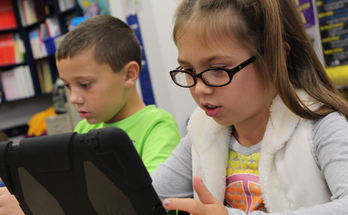
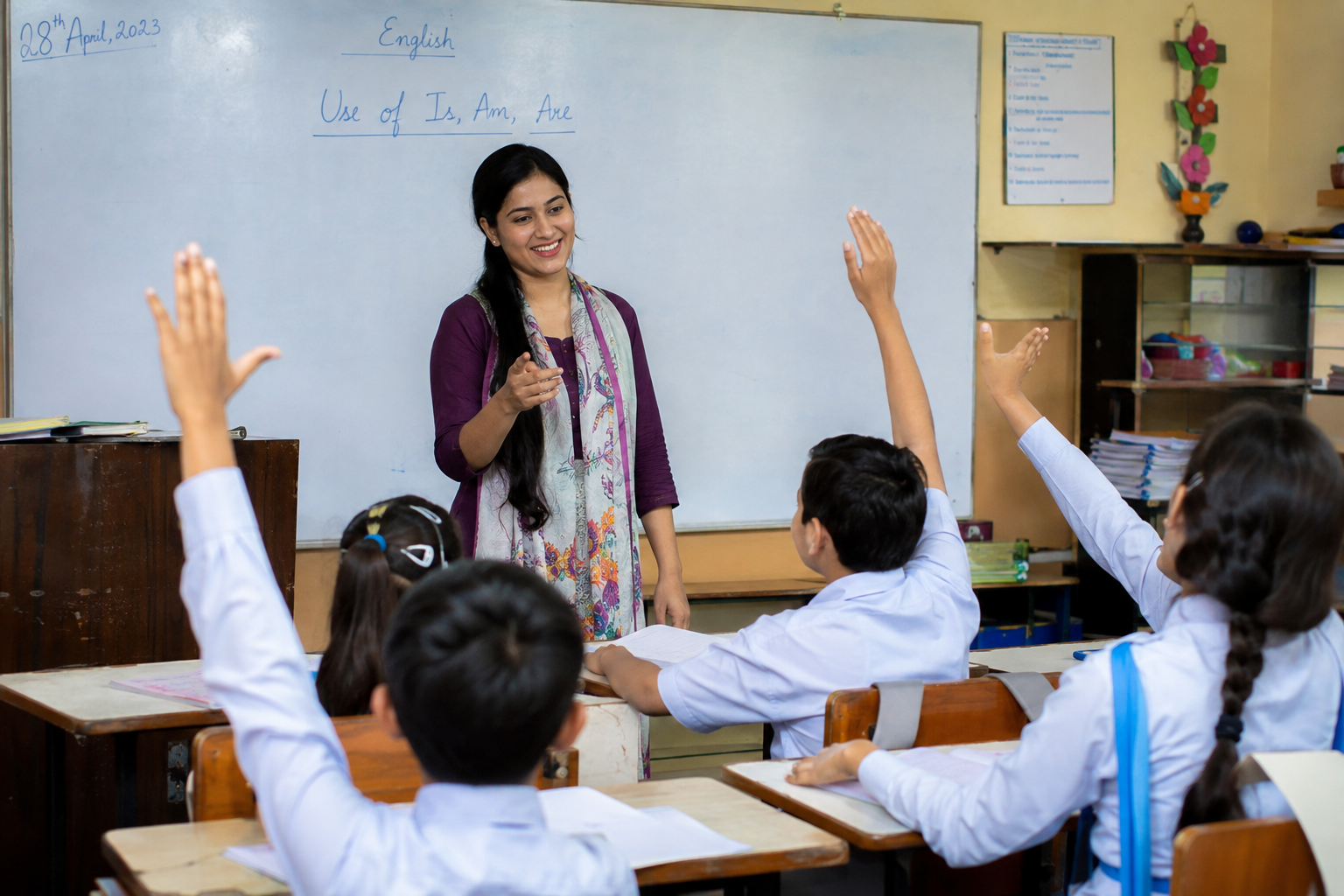
Teaching has changed a lot in recent years. Students now have access to information through smartphones, computers, online courses, educational videos, and digital learning platforms. Because of these changes, teachers need more than subject knowledge to create a successful learning environment. They need a combination of teaching skills, communication skills, technology skills, creativity, patience, and the ability to understand different student needs.
The role of a modern teacher is not only to explain lessons. A good teacher helps students think, ask questions, solve problems, work with others, and become confident learners. Effective teaching requires teachers to continue learning and improve their methods according to the needs of modern students.
Strong Communication Skills
Communication is one of the most important skills every modern teacher needs. Teachers should be able to explain difficult ideas in simple and clear language. Students can understand lessons better when instructions are organized and easy to follow.
Good communication also means listening to students. Teachers should give students opportunities to share their questions, opinions, and concerns. When students feel that their teacher listens to them, they are more comfortable participating in class.
Teachers also need strong written communication skills. Emails, online messages, assignments, announcements, and feedback should be written clearly. Effective communication helps build trust between teachers and students.
Technology Skills
Technology has become an important part of modern education. Teachers should know how to use basic digital tools to support student learning. Learning management systems, presentation software, educational websites, online quizzes, video lessons, and digital classrooms can make teaching more effective.
Technology should not replace good teaching. Instead, it should support the learning process. A teacher who understands technology can select useful digital resources and introduce them at the right time.
Teachers should also understand basic digital safety. Students need guidance about responsible internet use, online privacy, reliable information, and respectful digital communication.
Creativity in Teaching
Creativity is another important skill for effective teaching. Students do not always learn best through traditional lectures and textbooks. Creative teaching methods can make lessons more interesting and memorable.
A modern teacher can use stories, discussions, projects, classroom games, real life examples, videos, experiments, and creative activities. These methods can encourage students to participate actively instead of simply listening.
Creativity also helps teachers solve classroom problems. If one teaching method does not work, a creative teacher can try another approach and find a better way to explain the topic.
Critical Thinking Skills
Modern teachers need strong critical thinking skills because they are responsible for helping students develop the same ability. Students face a huge amount of information every day, especially online. They need to know how to question information, compare sources, identify mistakes, and make reasonable decisions.
Teachers can develop critical thinking by asking open ended questions and encouraging students to explain their answers. Instead of always giving students the correct answer immediately, teachers can guide them toward finding solutions themselves.
This approach makes students more independent and prepares them for real life situations where they need to think carefully before making decisions.
Classroom Management Skills
Effective classroom management is essential for creating a positive learning environment. Teachers need to establish clear rules and expectations while treating students fairly.
Good classroom management does not mean being extremely strict. It means creating an environment where students understand what is expected from them and feel safe enough to learn and participate.
Teachers should manage time effectively, organize classroom activities, handle distractions, and respond calmly to difficult situations. A well managed classroom allows more time for meaningful learning.
Emotional Intelligence
Emotional intelligence is becoming increasingly important in modern education. Teachers work with students who have different personalities, backgrounds, learning styles, and emotional needs.
A teacher with emotional intelligence can recognize when students are confused, frustrated, nervous, or discouraged. Instead of immediately criticizing a student, the teacher can try to understand the reason behind the behavior.
Empathy, patience, self awareness, and emotional control help teachers create stronger relationships with students. These relationships can improve student confidence and classroom participation.
Adaptability and Flexibility
Every classroom is different. A teaching method that works well with one group of students may not work equally well with another group. Modern teachers need to be flexible and ready to change their methods when necessary.
Adaptability is especially important when technology, educational policies, student needs, or learning environments change. Teachers should be willing to learn new methods and experiment with different approaches.
A flexible teacher does not see change as a problem. Instead, change becomes an opportunity to improve teaching and learning.
Student Centered Teaching
Modern education focuses more on students and their learning experiences. Teachers should understand that students have different abilities, interests, and learning preferences.
Student centered teaching gives learners opportunities to participate actively in the learning process. Teachers can use group activities, discussions, projects, problem solving tasks, and individual assignments to involve students.
The teacher becomes a guide who supports students instead of doing all the learning work for them. This approach can help students become more confident and independent learners.
Assessment and Feedback Skills
Teachers need to know how to measure student progress effectively. Assessment is not only about exams and grades. Teachers can use quizzes, classroom discussions, projects, presentations, assignments, and practical activities to understand what students have learned.
Feedback is equally important. Students need to know what they are doing well and where they can improve. Good feedback should be clear, useful, and encouraging.
Instead of simply saying that an answer is wrong, a teacher can explain the mistake and suggest a better way to approach the problem. Helpful feedback encourages students to learn from mistakes.
Collaboration Skills
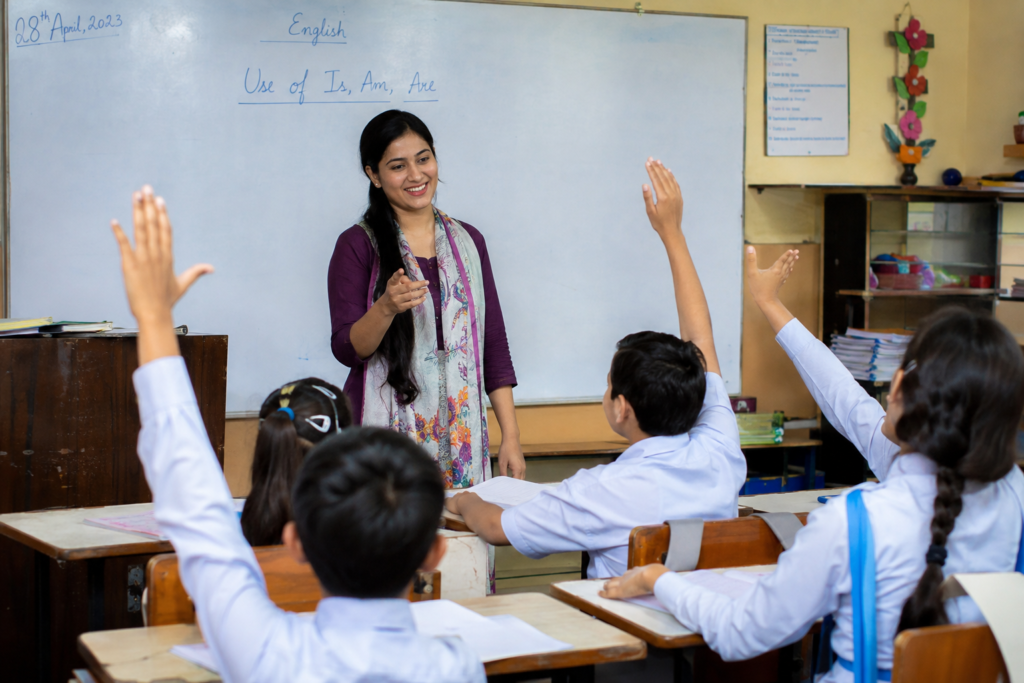
Modern teachers often work with other teachers, parents, school administrators, and education professionals. Strong collaboration skills help create a better educational environment.
Teachers can share teaching ideas, classroom experiences, resources, and solutions with their colleagues. Working together can help teachers discover new approaches and improve their professional skills.
Teachers should also communicate effectively with parents. When teachers and parents work together, they can better understand student progress and provide appropriate support.
Time Management
Teaching involves many responsibilities. Teachers prepare lessons, check assignments, assess students, communicate with parents, attend meetings, and manage classroom activities. Good time management helps teachers handle these responsibilities without becoming overwhelmed.
Teachers should organize their daily tasks and prepare lessons in advance. Digital calendars, planning tools, and simple schedules can help teachers manage their workload.
Good time management also gives teachers more time to focus on students and improve their teaching methods.
Continuous Learning
One of the most important skills every modern teacher needs is the willingness to keep learning. Education continues to change, so teachers should not stop developing their knowledge and skills after completing their formal education.
Teachers can attend workshops, read educational resources, take online courses, join professional communities, and learn from other educators. They can also reflect on their own classroom experiences and identify areas for improvement.
A teacher who continues learning can provide better learning opportunities for students.
Problem Solving Skills
Teachers face many challenges during their careers. Students may struggle with a lesson, classroom activities may not go as planned, or technology may suddenly stop working. Strong problem solving skills help teachers remain calm and find practical solutions.
Teachers should identify the main problem, consider possible solutions, and choose the approach that is most suitable for the situation. This skill also teaches students an important lesson because students can learn problem solving by observing their teacher.
Conclusion
The skills every modern teacher needs for effective teaching go beyond subject knowledge. Modern teachers need communication skills, technology skills, creativity, critical thinking, classroom management, emotional intelligence, adaptability, collaboration, and strong problem solving abilities.
A successful teacher understands that every student is different and that learning requires more than simply delivering information. Teachers need to create supportive classrooms where students can ask questions, explore ideas, make mistakes, and develop confidence.
Modern education is constantly changing, and teachers must be ready to grow with it. By developing these important teaching skills, educators can improve student engagement, support better learning outcomes, and prepare students for the challenges of the future. A modern teacher is not only a source of knowledge but also a mentor, guide, motivator, and lifelong learner who helps students discover their own potential.