Education has changed greatly over the last few years. New technology, online learning, digital resources, and changing student needs have created a new learning environment. Because of these changes, the role of teachers in modern education is also changing. Teachers are no longer only responsible for delivering lessons and asking students to memorize information. They now guide students, support their personal growth, encourage creativity, and help them develop skills that are useful in real life.
The changing role of teachers in modern education shows how important teachers remain even when technology becomes more common in classrooms. Modern teachers need to understand new teaching methods, use digital tools, communicate effectively, and create learning experiences that keep students involved. Their main goal is not simply to provide information but to help students understand how to find, use, and apply knowledge.
Teachers as Learning Guides
In traditional education, teachers were often seen as the main source of knowledge. Students listened to lectures, copied notes, completed exercises, and prepared for examinations. Today, students can find information from many sources, including educational websites, online courses, videos, digital libraries, and learning applications.
Because information is easily available, teachers now have a more supportive role. They guide students toward reliable information and help them understand what they learn. Instead of giving every answer, teachers encourage students to ask questions, explore ideas, and find solutions.
This approach makes students more active in the learning process. A teacher can provide direction while allowing students to discover knowledge through research, discussion, and practical activities. This is one of the most important changes in modern education.
Use of Technology in Teaching
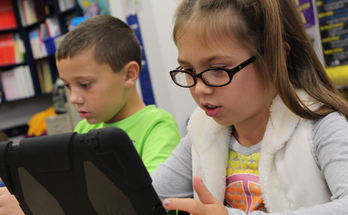
Technology has become an important part of modern classrooms. Teachers use computers, tablets, smart boards, educational applications, videos, online platforms, and digital presentations to make lessons more interesting.
The role of teachers is not simply to use technology because it is available. They need to choose the right digital tools for their students and learning objectives. A good teacher understands when technology can improve a lesson and when traditional teaching methods may work better.
For example, a science teacher can use an educational video to explain a difficult experiment. A language teacher can use online activities to improve vocabulary and communication skills. Technology can also help teachers provide additional learning materials to students who need more practice.
Teachers as Mentors
Modern teachers are also becoming mentors for students. Students need more than academic knowledge to succeed in life. They need confidence, communication skills, decision making abilities, creativity, teamwork, and problem solving skills.
Teachers can help students recognize their strengths and improve their weaknesses. They can encourage students when they face difficulties and help them develop a positive attitude toward learning.
A supportive teacher can make a major difference in a student’s educational journey. When students feel respected and understood, they are more likely to participate in class and take responsibility for their learning.
Encouraging Critical Thinking
Critical thinking is one of the most important skills in modern education. Students live in a world where they receive a large amount of information every day. They need to know how to evaluate information, identify reliable sources, compare different opinions, and make logical decisions.
Teachers play an important role in developing these abilities. Instead of asking students only to memorize facts, modern teachers ask questions that require explanation and reasoning. Classroom discussions, debates, research activities, and problem solving tasks can help students develop stronger thinking skills.
A teacher can present a real world problem and ask students to suggest different solutions. This gives students an opportunity to think independently and understand that some problems may have more than one possible answer.
Supporting Student Centered Learning
Student centered learning has become an important part of modern education. In this approach, students take a more active role in their education. Teachers understand that every student has different interests, abilities, learning speeds, and needs.
Modern teachers try to create lessons that provide different ways of learning. Some students learn better through visual materials, while others understand concepts through discussion, practice, or hands on activities.
Teachers can use different activities to make learning more flexible. Group work, individual projects, presentations, classroom discussions, and practical tasks can give students more opportunities to participate.
Developing Creativity
Creativity is another important part of modern education. Students need to be able to develop new ideas and approach problems from different perspectives. Teachers can create a classroom environment where students feel comfortable sharing their ideas.
Modern teachers do not always expect students to give the same answer. They encourage students to think differently and explain their opinions. Creative writing, art projects, experiments, presentations, and project based learning can help students develop creativity.
When teachers allow students to explore their own ideas, learning becomes more meaningful and enjoyable.
Teachers and Emotional Support
The modern classroom is not only about academic performance. Students may face pressure, competition, social challenges, and difficulties in managing their studies. Teachers can provide encouragement and create a positive classroom environment.
Teachers are not professional counselors in every situation, but they can notice when students are struggling and provide appropriate support or guidance. Simple actions such as listening to students, showing respect, and recognizing their efforts can improve their confidence.
A positive relationship between teachers and students can also create a classroom where students feel safe to ask questions and make mistakes.
Teachers as Facilitators of Collaboration
Teamwork is an important skill in modern workplaces. Students need to learn how to communicate with others, share responsibilities, solve disagreements, and complete common goals.
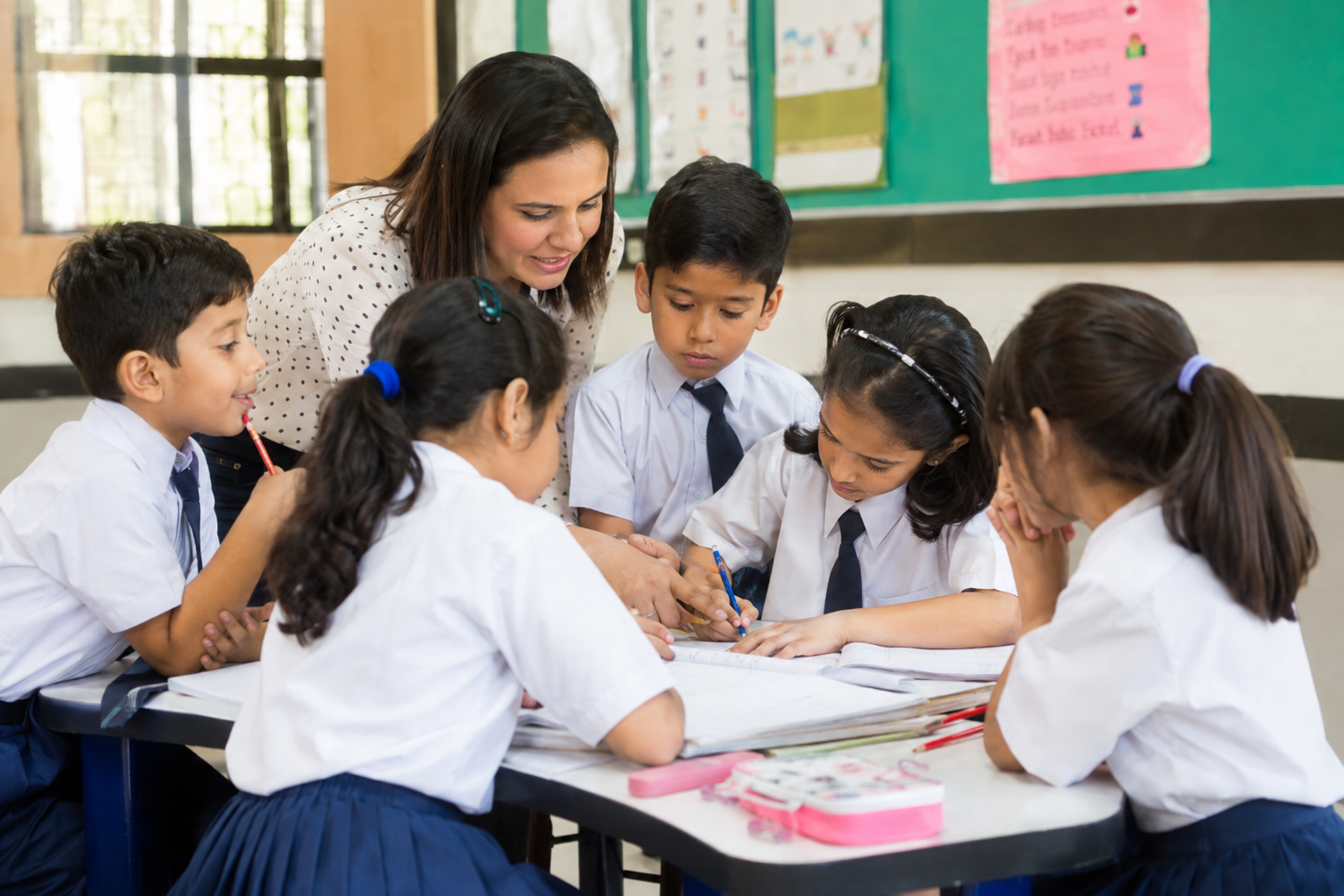
Teachers now use collaborative learning activities to develop these skills. Group projects and classroom discussions allow students to learn from one another. The teacher becomes a facilitator who organizes activities, provides guidance, and helps students work effectively as a team.
Collaborative learning also teaches students that different people may have different ideas and perspectives. This can prepare them for real life situations where cooperation is necessary.
Continuous Professional Development
The changing role of teachers also means that teachers themselves must continue learning. Education is constantly developing, so teachers need to update their knowledge and teaching methods.
Professional development programs, online courses, workshops, educational communities, and training sessions can help teachers improve their skills. Teachers may need to learn about new technologies, modern classroom strategies, assessment methods, and changing educational needs.
A teacher who continues learning can provide better educational experiences for students. Lifelong learning is therefore important for both students and teachers.
Teachers and Personalized Education
Modern education is increasingly focused on personalized learning. Teachers can use digital platforms and classroom assessments to understand how students are performing.
If one student understands a topic quickly while another needs additional practice, the teacher can provide different learning activities. This makes education more responsive to individual needs.
Personalized education does not mean that every student must have a completely different lesson. It means teachers recognize differences between learners and provide appropriate support when needed.
Preparing Students for Future Careers
One of the most important responsibilities of modern teachers is preparing students for future careers. The job market is changing quickly, and students need skills that go beyond textbook knowledge.
Teachers can help students develop communication, teamwork, creativity, critical thinking, digital literacy, time management, and problem solving skills. These abilities can help students adapt to different professional environments.
Modern teachers can also connect classroom learning with real world examples. Projects, practical activities, presentations, and career related discussions can help students understand how their education may be useful in their future lives.
The Importance of Human Connection
Although technology has changed education, teachers remain extremely important. Digital tools can provide information and support learning, but they cannot completely replace human understanding and relationships.
Teachers understand classroom emotions, encourage students, recognize effort, and create a sense of community. They can adapt their approach according to the needs of their students.
The future of education is therefore not about replacing teachers with technology. It is about combining technology with effective teaching. Teachers who use technology wisely while maintaining strong human connections can create better learning experiences.
Conclusion
The changing role of teachers in modern education reflects the changing needs of students and society. Teachers are no longer only providers of information. They are learning guides, mentors, facilitators, technology users, motivators, and supporters of student development.
Modern teachers help students think critically, work with others, become independent learners, use technology responsibly, and develop creativity. They also support students emotionally and prepare them for future careers.
Technology will continue to change education, but the importance of teachers will remain strong. The most successful teachers will be those who are willing to learn, adapt, and understand the changing needs of their students. By combining knowledge, technology, creativity, and human connection, teachers can help students become confident and capable individuals who are ready to face the challenges of the future.