Modern classrooms are changing quickly because students today learn in different ways than students did in the past. They have access to technology, online information, videos, games, social media, and many other digital resources. Because of this, traditional teaching methods may not always be enough to keep students interested throughout a lesson. Teachers need to create learning environments where students feel involved, comfortable, curious, and motivated to participate.
Making a modern classroom more engaging does not mean using technology all the time. It means understanding students, encouraging participation, using creative teaching methods, and connecting lessons with real life. When students become active participants in their education, they are more likely to understand concepts, remember information, and develop useful skills.
Understand the Needs of Modern Students
One of the most important ways teachers can make modern classrooms more engaging is by understanding their students. Every student has different interests, abilities, learning preferences, and experiences. Some students learn better through visual content, while others understand concepts more easily through discussion, practice, or activities.
Teachers should observe how students respond to different teaching methods. They can ask questions, collect feedback, and encourage students to explain which activities help them learn better. Understanding students allows teachers to create lessons that are more meaningful and interesting.
A student centered approach can also make students feel valued. When learners know that their opinions matter, they are more willing to participate in classroom activities.
Use Technology in Meaningful Ways
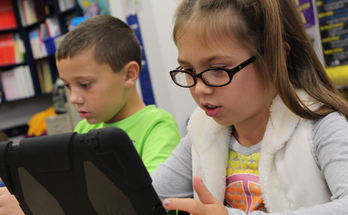
Technology can play an important role in modern education. Teachers can use digital tools to make lessons more interactive and visually interesting. Presentations, educational videos, online quizzes, digital boards, simulations, and learning platforms can help students understand difficult topics.
However, technology should not be used simply because it is available. It should support the learning goal of the lesson. For example, a short educational video can explain a scientific process that may be difficult to describe with words alone. An online quiz can help teachers quickly understand whether students have learned the topic.
Teachers can also use educational applications that allow students to complete activities individually or in groups. This can create a more active learning environment and give students opportunities to practice what they have learned.
Encourage Classroom Discussions
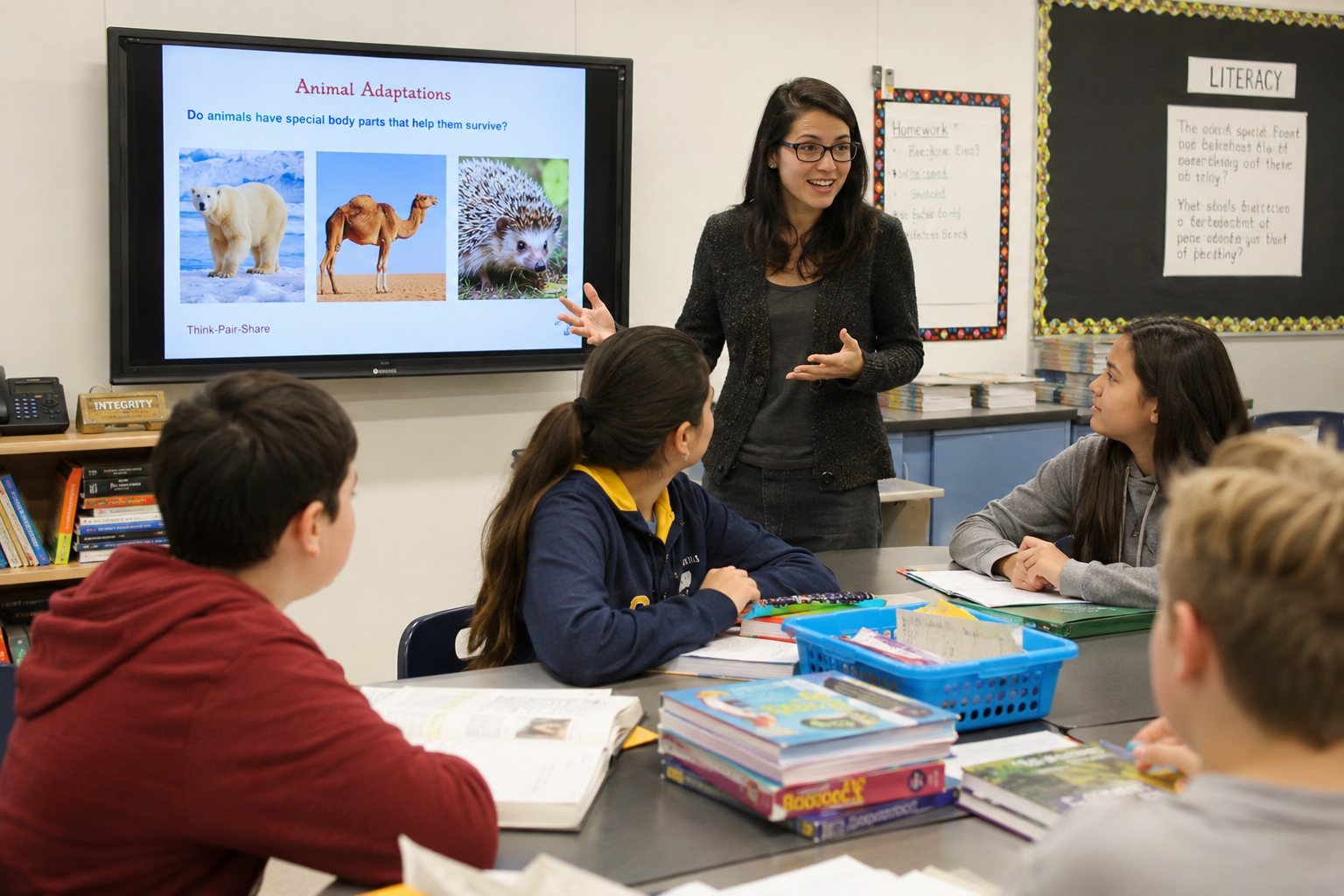
Classroom discussion is another effective way to make learning more engaging. Instead of speaking for the entire lesson, teachers can give students opportunities to share ideas, ask questions, and discuss different opinions.
Teachers can start lessons with interesting questions related to the topic. For example, instead of immediately explaining a history lesson, a teacher could ask students what they think life was like hundreds of years ago. Such questions encourage curiosity and prepare students to think about the subject.
Group discussions can also help students develop communication skills. Students learn how to express their ideas clearly, listen to others, and respect different opinions. These skills are valuable both inside and outside the classroom.
Make Lessons Interactive
Interactive learning can transform an ordinary lesson into an engaging experience. Teachers can use activities such as quizzes, classroom games, role playing, demonstrations, puzzles, and problem solving exercises.
For example, during a language lesson, students can act out a conversation instead of simply reading it from a textbook. In science, students can perform simple experiments. In mathematics, teachers can use real world problems that require students to calculate, compare, and make decisions.
Interactive activities give students something to do instead of only listening. This keeps their attention and helps them understand concepts through practical experience.
Connect Lessons With Real Life
Students are more interested in learning when they understand why a topic matters. Teachers can make modern classrooms more engaging by connecting academic subjects with real life situations.
A mathematics teacher can explain percentages through shopping discounts or household budgets. A science teacher can discuss environmental problems that students see around them. An English teacher can connect writing skills with emails, online communication, and professional writing.
Real life examples show students that education is not only about passing exams. Knowledge can help them solve problems, make decisions, and prepare for future careers.
Use Project Based Learning
Project based learning can give students a greater sense of responsibility. Instead of completing only short exercises, students can work on projects that require research, planning, creativity, and teamwork.
Teachers can give students projects related to real problems or interesting questions. Students might create a presentation, research an environmental issue, design a simple business idea, prepare a community project, or create educational content.
Projects allow students to use several skills at the same time. They also encourage independent learning because students need to find information, organize their work, and make decisions.
Create a Positive Classroom Environment
A positive classroom environment is essential for student engagement. Students are less likely to participate when they are afraid of making mistakes or being criticized.
Teachers should create an environment where students feel comfortable asking questions and sharing ideas. Mistakes should be treated as part of the learning process rather than something embarrassing.
Simple actions such as appreciating student effort, listening carefully, and giving constructive feedback can make a major difference. When students feel respected and supported, they are more likely to become active learners.
Give Students Choices
Giving students some control over their learning can increase motivation. Teachers can provide choices about activities, projects, presentation formats, or research topics.
For example, students could choose whether to present their project through a speech, poster, presentation, or video. They could also select a topic connected to their personal interests.
Student choice creates a sense of ownership. When learners have some control over their work, they often become more responsible and motivated.
Encourage Teamwork
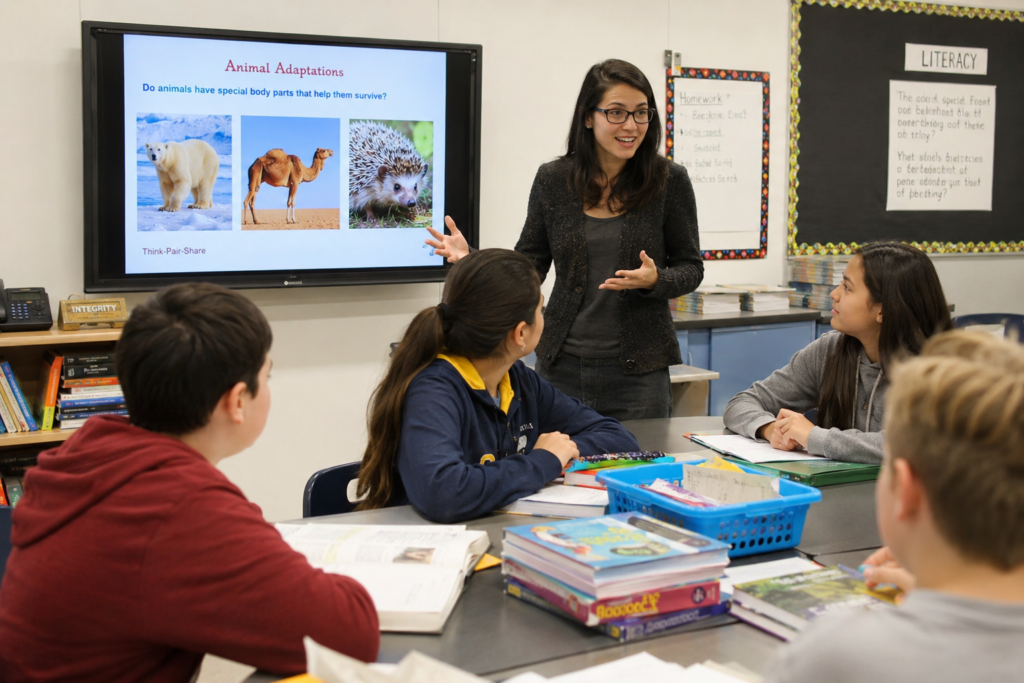
Modern education should prepare students for a world where cooperation is important. Teachers can make classrooms more engaging by including teamwork activities.
Group projects allow students to divide responsibilities, exchange ideas, solve problems, and support one another. Teachers should make sure that every student has a meaningful role so that group work does not become the responsibility of only one or two students.
Teamwork also helps students develop communication, leadership, listening, and problem solving skills. These skills are important for higher education and future careers.
Use Creative Teaching Methods
Creativity can make even difficult subjects more enjoyable. Teachers can tell stories, use interesting examples, create classroom challenges, or introduce visual activities.
Storytelling is particularly useful because stories can make information easier to understand and remember. A historical event can be presented as a story involving people and decisions. A scientific concept can be explained through an everyday situation.
Teachers can also use humor when appropriate. A relaxed and enjoyable classroom can help students feel more connected to the lesson.
Ask Better Questions
Questions are one of the simplest tools for increasing student engagement. Instead of asking only questions that require one correct answer, teachers can ask open ended questions that encourage students to think.
Questions such as “Why do you think this happened?” or “What would you do in this situation?” encourage deeper thinking. Students must analyze information and explain their reasoning.
Good questions can also help teachers understand how students are thinking. This makes classroom learning more interactive and meaningful.
Provide Regular Feedback
Feedback helps students understand their progress. Teachers should provide clear and useful feedback instead of simply giving marks.
Students need to know what they are doing well and what they can improve. Feedback should be specific and encouraging. For example, instead of saying that an assignment is weak, a teacher can explain which part needs improvement and suggest how the student can improve it.
Regular feedback also encourages students to take responsibility for their learning.
Give Students Opportunities to Be Independent
Modern classrooms should not make students completely dependent on teachers. Teachers should guide students while also giving them opportunities to discover information independently.
Students can research topics, solve problems, create projects, and present their findings. This approach helps develop confidence and independent learning skills.
The teacher becomes a guide rather than the only source of information. This creates a classroom where students actively participate in the learning process.
Conclusion
Teachers can make modern classrooms more engaging by creating learning experiences that involve students rather than simply asking them to listen. Technology, interactive activities, classroom discussions, project based learning, teamwork, real life examples, and creative teaching methods can all improve student engagement.
However, the most important factor is the teacher’s ability to understand and support students. A modern classroom should be a place where students feel comfortable asking questions, sharing ideas, making mistakes, and exploring new concepts.
When teachers combine effective teaching strategies with a positive classroom environment, students become more motivated and active in their education. Engaging classrooms can improve learning outcomes while also helping students develop communication, creativity, critical thinking, teamwork, and problem solving skills. These abilities can prepare students not only for academic success but also for the challenges of the modern world.