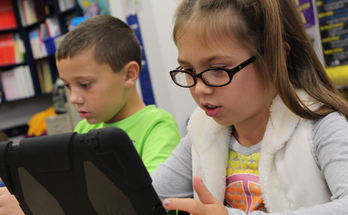
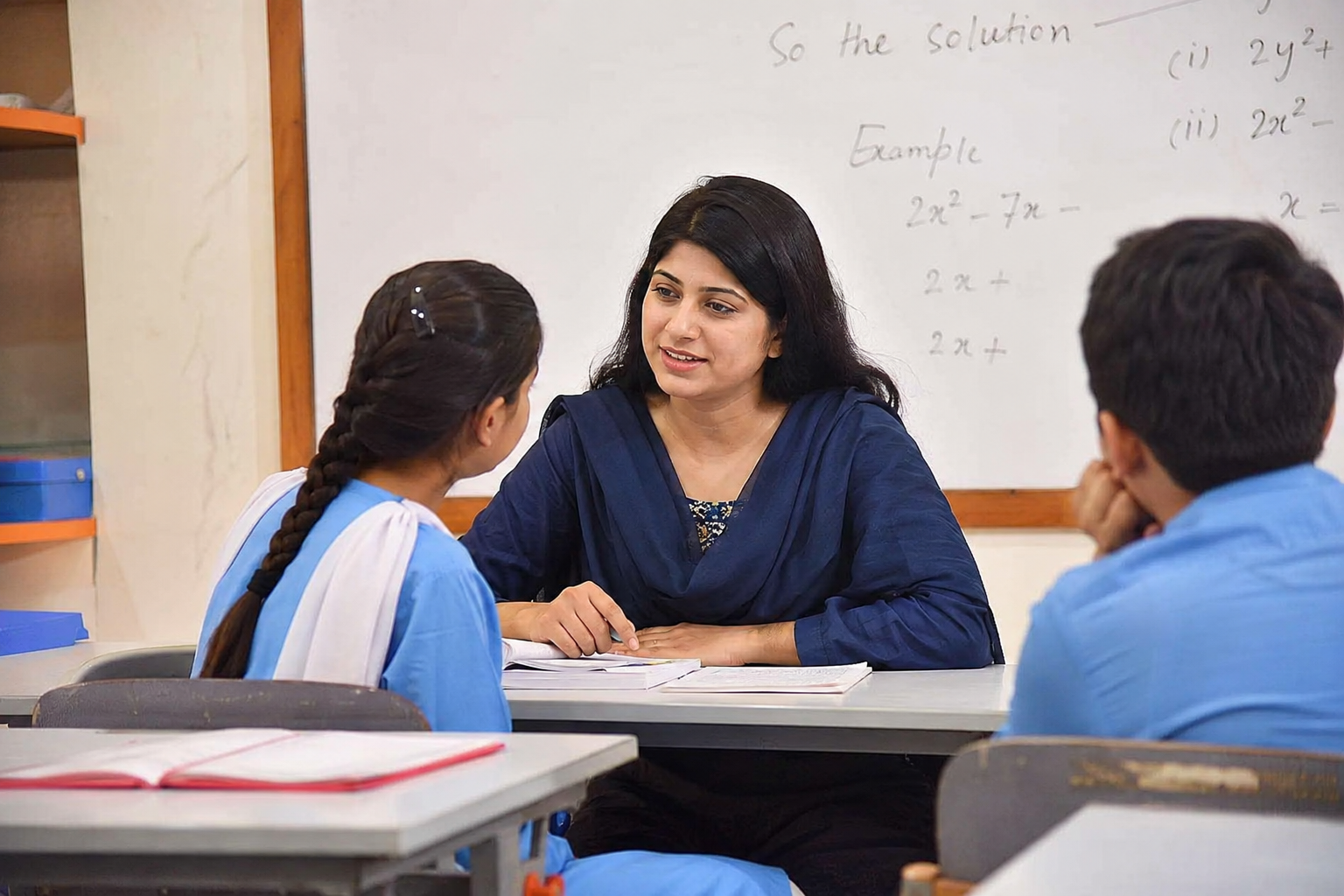
Teacher student communication is one of the most important parts of modern education. A classroom is not only a place where teachers provide lessons and students listen. It is a learning environment where ideas are shared, questions are asked, problems are discussed, and students develop confidence. When teachers and students communicate openly, the learning process becomes more effective and meaningful.
In modern education, students have different learning styles, interests, abilities, and personal goals. Because of these differences, teachers cannot use the same approach for every student. Good communication helps teachers understand what students need and how they can support them. It also gives students the confidence to express their thoughts, ask questions, and participate actively in classroom activities.
Why Teacher Student Communication Matters
Effective teacher student communication creates a positive connection between teachers and learners. When students feel that their teachers listen to them, they become more comfortable in the classroom. They are more likely to participate in discussions and share their ideas without being afraid of making mistakes.
Communication also helps teachers understand student progress. A student may understand one topic very well but struggle with another. Through regular conversations, classroom discussions, questions, and feedback, teachers can identify these learning gaps. This allows them to provide better explanations and additional support.
Good communication also improves the overall classroom environment. Students who feel respected and heard are more likely to respect their teachers and classmates. This creates a healthy learning atmosphere where students can focus on education and personal development.
Builds Trust Between Teachers and Students
Trust is an important part of successful education. Students learn better when they trust their teachers and feel comfortable around them. Teacher student communication plays a major role in developing this trust.
A teacher who listens carefully to students shows that their opinions and concerns matter. Even a simple conversation about a student’s progress can make a positive difference. When students know that their teacher is willing to help, they become more confident about discussing their difficulties.
Trust also encourages students to accept feedback. Constructive feedback can help students recognize their weaknesses and improve their performance. Without trust, students may take feedback personally or feel discouraged. With good communication, they can understand that feedback is meant to help them grow.
Improves Student Engagement
Student engagement is another major benefit of effective teacher student communication. Modern education focuses more on active learning rather than simply memorizing information. Students are encouraged to discuss topics, solve problems, work in groups, and express their opinions.
Teachers can increase student engagement by asking open questions and encouraging classroom discussions. Instead of giving students all the answers, teachers can guide them toward finding solutions themselves. This approach makes students more involved in the learning process.
Communication also helps teachers discover what interests their students. When lessons are connected with student interests and real life examples, students are more likely to pay attention and participate. This can make learning more enjoyable and meaningful.
Helps Teachers Understand Student Needs
Every student is different. Some students learn quickly, while others need more time and explanation. Some students are comfortable speaking in front of the class, while others prefer writing or small group discussions.
Teacher student communication helps teachers recognize these differences. By talking with students and observing their responses, teachers can understand their learning preferences. They can then adjust their teaching methods according to student needs.
For example, if a student is struggling with a difficult topic, the teacher can provide another explanation or use practical examples. If a student understands the topic quickly, the teacher can provide additional activities to keep that student challenged.
Encourages Confidence in Students
Confidence is essential for academic and personal growth. Students who are afraid of making mistakes may avoid answering questions or participating in discussions. Effective communication can help remove this fear.
Teachers can encourage students by appreciating their effort and giving positive feedback. They can also create an environment where mistakes are treated as a normal part of learning. When students understand that they can make mistakes without being embarrassed, they become more willing to participate.
Regular communication also helps students develop better speaking and listening skills. These skills are valuable not only in school but also in higher education, professional life, and everyday communication.
Supports Better Academic Performance
Teacher student communication can have a direct impact on academic performance. Students need clear instructions to understand assignments, projects, examinations, and classroom activities. When teachers communicate clearly, students are less likely to become confused about what they need to do.
Teachers can also provide regular feedback about student performance. Instead of waiting until the end of a term, teachers can discuss progress throughout the learning process. This gives students enough time to identify their weaknesses and improve.
Students can also communicate when they do not understand something. Asking questions allows teachers to correct misunderstandings before they become larger learning problems. As a result, students can build stronger knowledge and achieve better academic results.
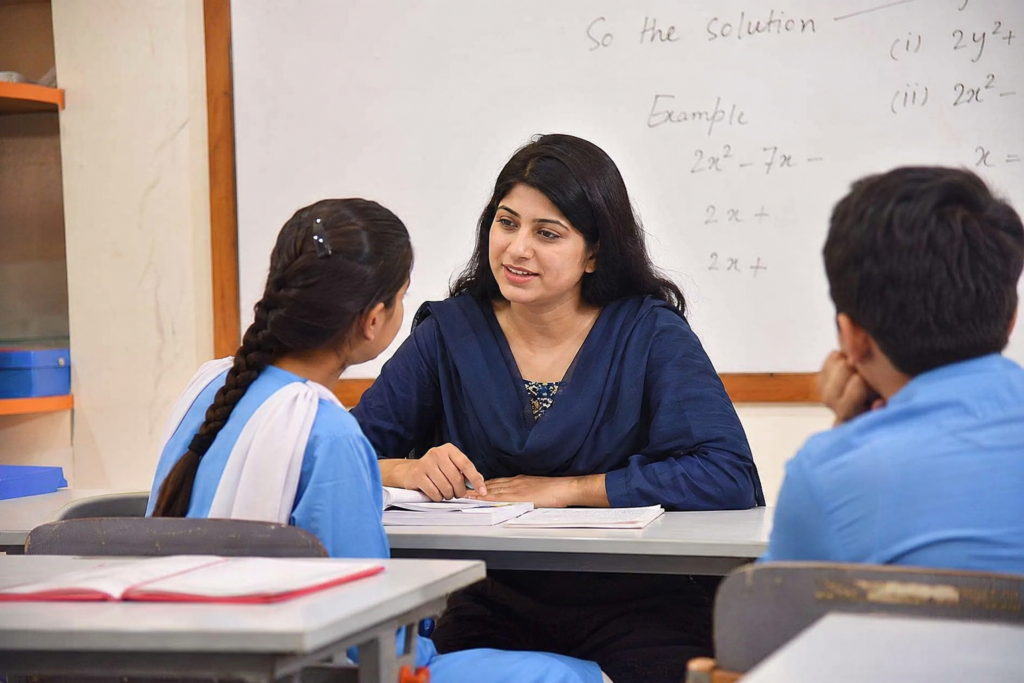
The Role of Communication in Modern Classrooms
Modern classrooms are changing because of technology and new teaching methods. Students may learn through smart boards, online platforms, educational videos, digital assignments, and virtual classrooms. These tools provide many learning opportunities, but communication remains essential.
Technology can make communication faster and easier. Teachers can share learning materials, provide digital feedback, and communicate with students through educational platforms. Students can ask questions and submit assignments online.
However, technology should support communication rather than completely replace personal interaction. Face to face conversations are still important because they help teachers understand student emotions, confidence, and reactions. A balanced approach that combines technology with personal communication can make modern education more effective.
Encourages Critical Thinking
Good communication is closely connected with critical thinking. Teachers can encourage students to explain their ideas instead of simply giving correct answers. When students discuss different opinions, they learn how to analyze information and develop logical arguments.
Classroom conversations can also introduce students to different perspectives. A student may have one opinion about a topic, while another student may think differently. Through respectful discussion, students learn that people can have different views and that ideas should be supported with reasons and evidence.
This makes communication an important part of developing problem solving and decision making skills.
Helps Create a Positive Learning Environment
A positive classroom environment can improve both teaching and learning. Communication helps create such an environment by encouraging respect, cooperation, and understanding.
Teachers who communicate respectfully with students can set a strong example. Students learn how to listen to others, wait for their turn, express disagreement politely, and work together. These social skills are important for life beyond the classroom.
When communication is poor, misunderstandings can develop between teachers and students. Small problems can become larger when students do not feel comfortable discussing them. Open communication can prevent many of these issues.
Communication Between Teachers and Parents
Teacher student communication is important, but communication between teachers and parents also supports modern education. Parents need to understand how their children are performing academically and socially. Teachers can provide useful information about student progress, strengths, and areas that need improvement.
When teachers and parents communicate regularly, they can work together to support students. Parents can understand what their children are learning, while teachers can learn more about the student’s learning habits and needs.
This cooperation creates stronger support for students and helps them stay focused on their educational goals.
How Teachers Can Improve Communication With Students
Teachers can improve communication by creating opportunities for students to speak and ask questions. They should listen carefully instead of immediately judging student responses.
Using simple and clear language can also make lessons easier to understand. Teachers should check whether students understand important concepts before moving to a new topic.
Regular feedback is another effective method. Feedback should explain what students are doing well and what they can improve. It should be encouraging and specific.
Teachers can also use group discussions, classroom activities, individual conversations, and digital communication tools to maintain regular interaction with students.
How Students Can Improve Communication With Teachers
Students also have an important role in building effective communication. They should ask questions when they do not understand a lesson. They should listen carefully to instructions and respond respectfully.
Students should also communicate their learning difficulties honestly. If they need more time or another explanation, telling the teacher can help solve the problem.
Being active in classroom discussions can also improve communication skills. Students should not worry too much about making mistakes because mistakes are a natural part of learning.
Conclusion
Teacher student communication is a key part of modern education. It builds trust, improves student engagement, supports academic performance, develops confidence, and creates a positive learning environment. It also helps teachers understand individual student needs and provides students with opportunities to express their ideas.
Modern education is becoming more digital and flexible, but communication remains at the center of effective learning. Technology can provide useful tools, but strong relationships between teachers and students make those tools more valuable.
When teachers listen to students, provide helpful feedback, encourage questions, and communicate with respect, students become more confident and motivated learners. In the same way, students who actively communicate with their teachers can get better support and make greater progress.
For this reason, teacher student communication should be considered an essential part of every modern classroom. Strong communication does not only improve education today. It also helps students develop the confidence, social skills, critical thinking, and communication abilities they need for their future.