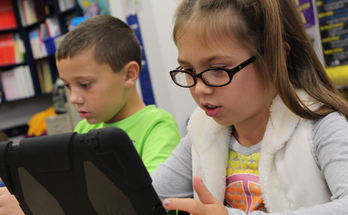
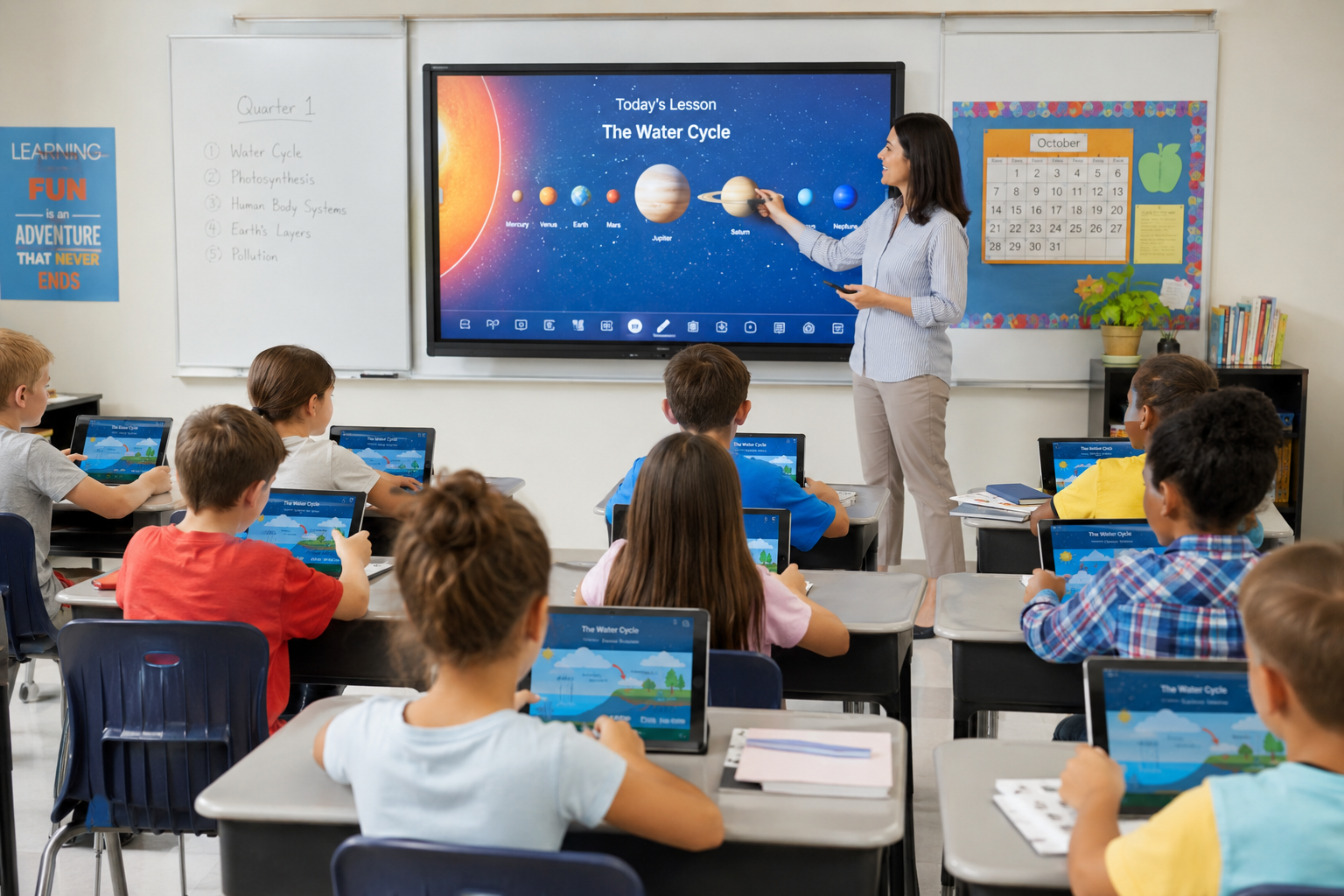
Technology has become an important part of modern education. In many classrooms, teachers are using digital tools to make lessons more interesting, interactive, and easier to understand. Technology can help students access information quickly, practice new skills, communicate with classmates, and learn according to their individual needs. However, technology is most useful when teachers use it with a clear learning purpose. Simply using computers or smart boards does not automatically improve education. Teachers need to choose the right technology and use it in ways that support student learning.
Use Digital Learning Resources
One of the easiest ways teachers can use technology to improve learning is by providing digital learning resources. Instead of depending only on traditional textbooks, teachers can use educational websites, digital books, online articles, presentations, and interactive learning platforms.
Digital resources can make difficult topics easier to understand because students can learn through text, pictures, videos, and interactive activities. For example, a science teacher can use an educational video to explain the water cycle. A history teacher can show virtual images of historical places and important events. These resources can help students understand lessons more clearly and remember information for a longer time.
Make Lessons More Interactive
Technology can make classroom lessons more interactive. Traditional lectures can sometimes make students passive because they mainly listen to the teacher. Digital tools can encourage students to participate actively during lessons.
Teachers can use quizzes, polls, educational games, interactive presentations, and classroom response tools to involve students. A teacher can ask questions during a lesson and allow students to answer using tablets or computers. This gives students an opportunity to participate while also helping teachers understand whether the class is following the lesson.
Interactive learning can create a more active classroom environment. When students participate instead of only listening, they often become more interested in the subject.
Use Videos to Explain Difficult Concepts
Educational videos are another useful technology for improving learning. Some topics are difficult to explain through words alone. Videos can provide visual examples that make complicated ideas easier to understand.
For example, a biology teacher can show a video about the human digestive system. A mathematics teacher can use an animated explanation of geometric concepts. A geography teacher can use videos to show different parts of the world.
Teachers should choose videos carefully and make sure they are connected to the lesson objectives. Short and focused videos are often more useful than long videos because they keep students focused on the main idea.
Support Personalized Learning
Every student learns differently. Some students understand concepts quickly, while others need more time and practice. Technology can help teachers provide personalized learning opportunities.
Teachers can use educational platforms that offer different levels of exercises and activities. Students who need extra practice can complete additional exercises, while advanced students can work on more challenging tasks.
Digital learning tools can also allow students to review lessons at their own pace. A student who does not understand a topic can watch a lesson again or complete additional practice activities. This can help students become more confident and independent learners.
Improve Communication Between Teachers and Students
Technology has also made communication between teachers and students easier. Teachers can use learning management systems, email, classroom applications, and online discussion platforms to share information with students.
Teachers can post assignments, announcements, study materials, and important reminders online. Students can ask questions and receive guidance even when they are not physically inside the classroom.
Good communication can help students stay organized and understand what is expected from them. It can also create better connections between teachers and students.
Encourage Collaborative Learning
Technology can support collaborative learning by allowing students to work together on digital projects. Students can create presentations, documents, videos, and research projects as a team.
Online collaboration tools allow several students to contribute to the same project. This can teach students how to communicate, share ideas, solve problems, and take responsibility for their work.
For example, a teacher can divide a class into small groups and ask each group to research a topic. Students can collect information online, prepare a presentation, and present their findings to the class. This approach combines technology with teamwork and active learning.
Use Technology for Online Assessments
Technology can make student assessment faster and more effective. Teachers can create online quizzes and tests that provide immediate results. This allows teachers to quickly identify areas where students are performing well and areas where they need additional support.
Online assessments can also save time because teachers do not always need to check every answer manually. Some digital platforms can automatically calculate scores and provide basic performance reports.
However, teachers should not depend only on online tests. Projects, classroom participation, written assignments, presentations, and practical activities are also important ways to measure student learning.
Provide Instant Feedback
Feedback is an important part of the learning process. Students need to know what they are doing correctly and where they need improvement. Technology can help teachers provide feedback more quickly.
Teachers can use digital platforms to comment on assignments, mark mistakes, and provide suggestions. Students can then review the feedback and make improvements.
Quick feedback can prevent students from repeating the same mistakes. It also helps them understand their strengths and weaknesses. When feedback is clear and supportive, students can become more motivated to improve.
Use Artificial Intelligence Responsibly
Artificial intelligence is becoming increasingly important in modern education. Teachers can use AI based tools to generate learning ideas, create practice questions, explain difficult concepts, and support lesson planning.
AI can also help teachers create different learning activities for students with different needs. However, teachers should use artificial intelligence responsibly. Students should still develop their own thinking, writing, creativity, and problem solving skills.
Technology should support teachers rather than replace them. A teacher understands students, their emotions, learning difficulties, and classroom environment in ways that technology cannot fully understand.
Introduce Virtual and Augmented Learning Experiences
Virtual reality and augmented reality can create new learning experiences. These technologies can allow students to explore places, objects, and environments that may not be available in their normal classroom.
For example, students can take virtual tours of museums, historical locations, laboratories, or different parts of the world. This type of experience can make learning more memorable and engaging.
Teachers do not need advanced technology for every lesson. Even simple virtual tours, interactive maps, and digital simulations can add value to classroom learning.
Teach Students Digital Skills
Teachers should not only use technology for teaching subjects. They should also help students learn how to use technology responsibly.
Students need digital skills for education, future careers, and everyday life. Teachers can teach students how to search for reliable information, protect their personal information, communicate respectfully online, and recognize misleading content.
Digital literacy is especially important because students have access to huge amounts of information. They need to understand that not everything they find online is accurate or trustworthy.
Make Learning Accessible
Technology can also help make education more accessible. Digital resources can provide additional support for students who have different learning needs.
For example, students can use audio materials, captions, digital text, screen reading tools, and adjustable learning resources. These features can help students access educational content in ways that suit their learning preferences.
Teachers should consider accessibility when selecting digital tools. A technology solution is most effective when all students can use it comfortably and meaningfully.
Encourage Creativity Through Technology
Technology gives students many opportunities to express creativity. Students can create digital presentations, videos, podcasts, graphics, animations, websites, and other projects.
Instead of asking students only to write traditional assignments, teachers can sometimes allow them to choose a digital format for presenting what they have learned. This can make learning more enjoyable while helping students develop communication and creative skills.
Creative technology based projects can also connect classroom learning with real world activities.
Balance Technology With Traditional Teaching
Although technology has many benefits, teachers should maintain a healthy balance between digital and traditional learning. Students still need face to face communication, handwriting practice, reading, discussion, physical activities, and direct interaction with teachers and classmates.
Too much screen time can reduce concentration and limit social interaction. For this reason, technology should be used when it provides a clear benefit to the learning process.
The goal is not to replace traditional teaching with technology. The goal is to combine effective teaching methods with useful digital tools.
Conclusion
Teachers can use technology to improve learning in many different ways. Digital resources, interactive lessons, educational videos, personalized learning platforms, online assessments, collaborative tools, artificial intelligence, and virtual learning experiences can all support modern education.
The most important factor is not how much technology a classroom has. It is how effectively teachers use that technology to achieve learning goals. Teachers who choose appropriate tools, encourage active participation, provide useful feedback, and maintain a balance between technology and traditional teaching can create better learning experiences for their students.
Technology should always serve education rather than become the main focus of education. When used thoughtfully, it can help students understand difficult concepts, develop important skills, communicate more effectively, and become independent learners. In this way, technology can become a powerful tool for improving learning and preparing students for the demands of the modern world.