Modern education is changing rapidly because the world around students is changing just as quickly. New technologies, changing workplaces, global communication, and growing competition are creating new demands for young people. Students today need more than traditional academic knowledge. They need practical skills, creativity, confidence, communication abilities, and the ability to learn throughout their lives. This is why modern education is focusing on preparing students for the future rather than only helping them pass exams.
The main goal of modern education is to create learners who can understand new ideas, solve problems, use technology responsibly, and adapt to different situations. Schools and educational institutions are introducing new teaching methods, digital tools, collaborative activities, and practical learning opportunities. These changes are helping students become better prepared for future careers and everyday challenges.
The Importance of Technology in Modern Education
Technology has become an important part of modern education. Students can now use computers, tablets, educational websites, digital libraries, and learning applications to access information quickly. These tools make learning more flexible and interactive.
Digital education also helps students develop important technology skills. Since most future careers will involve some form of technology, students need to feel comfortable using digital tools. Learning how to search for information, communicate online, create digital content, and use educational software can give students valuable skills for their future.
Technology also allows students to learn at their own pace. Online lessons, recorded lectures, interactive exercises, and digital resources give learners more control over their education. This creates a more flexible learning environment where students can explore subjects according to their interests and abilities.
Developing Critical Thinking Skills
One of the most important goals of modern education is developing critical thinking skills. In the past, students were often expected to memorize information and reproduce it in examinations. Today, education is increasingly focused on helping students understand information and use it intelligently.
Critical thinking teaches students to ask questions, examine evidence, compare different ideas, and make logical decisions. These skills are useful in education, careers, and everyday life. Future workplaces will require people who can identify problems and develop effective solutions instead of simply following instructions.
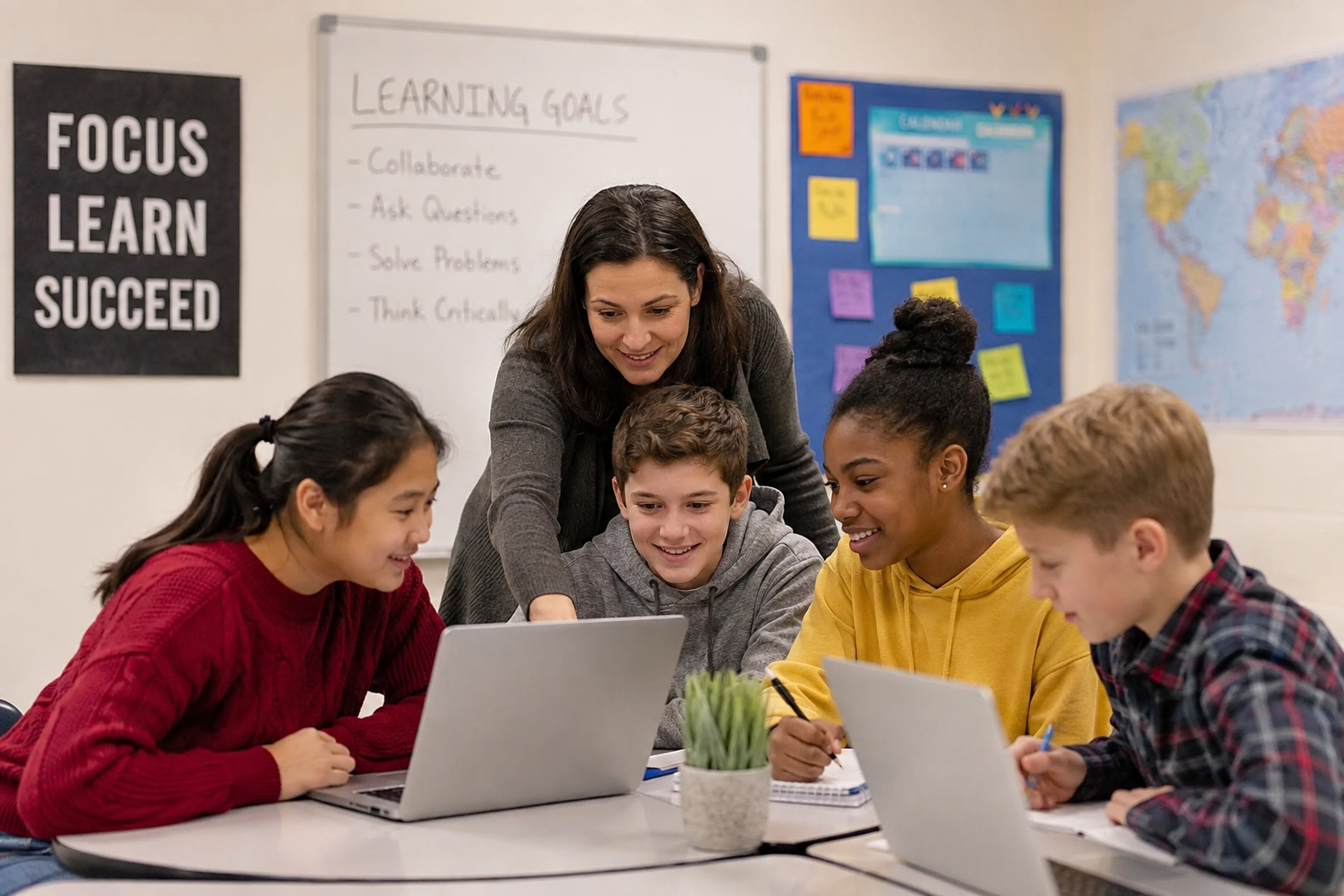
Teachers can develop critical thinking through discussions, research activities, problem solving exercises, debates, and real world projects. These activities encourage students to think independently and become more confident in expressing their ideas.
Preparing Students for Future Careers
Modern education is also becoming more connected to career preparation. The workplace is changing because of automation, artificial intelligence, digital communication, and new industries. Students need skills that can help them succeed in this changing environment.
Schools are increasingly focusing on communication, teamwork, creativity, leadership, technology, and problem solving. These skills are valuable in almost every profession. Career focused education can also introduce students to different industries and help them understand what employers expect from future workers.
Practical projects can give students experience that traditional classroom learning may not provide. For example, students can work on presentations, research projects, business ideas, coding activities, science experiments, and community projects. Such experiences help learners connect academic knowledge with real life situations.
Encouraging Creativity and Innovation
Creativity is another important part of preparing students for the future. The modern world needs people who can develop new ideas and find better ways to solve problems. Education should therefore give students opportunities to experiment, imagine, design, and create.
Creative activities such as writing, art, science projects, technology projects, and presentations allow students to express themselves in different ways. When students are encouraged to explore their own ideas, they become more comfortable with innovation.
Creativity also teaches students that mistakes can be part of learning. Instead of being afraid of failure, students can learn from their experiences and try new approaches. This mindset can be extremely valuable in future careers where innovation and continuous improvement are important.
Building Communication Skills
Strong communication skills are essential for future success. Students need to know how to explain their thoughts clearly, listen to others, write effectively, and communicate respectfully.
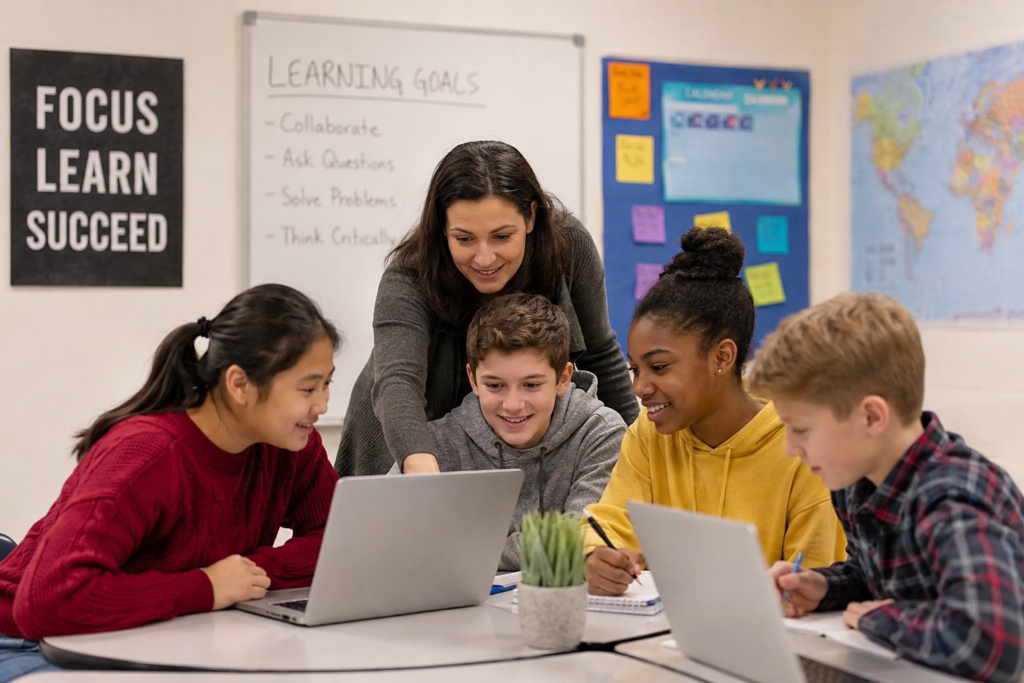
Modern education provides many opportunities for students to practice communication. Classroom discussions, group presentations, debates, writing assignments, and collaborative projects can help students become better communicators.
Communication skills are important because future workplaces will involve teamwork and interaction with people from different backgrounds. A student who can communicate ideas clearly can work more effectively with colleagues, clients, teachers, and other professionals.
Promoting Collaboration and Teamwork
The future workplace will require people to work together. Modern education is responding to this need by giving students more opportunities to participate in group activities.
Team projects teach students how to share responsibilities, listen to different opinions, solve disagreements, and work toward a common goal. These experiences help students understand that successful teamwork requires cooperation and respect.
Collaboration also exposes students to different ways of thinking. When learners work with classmates who have different ideas and abilities, they can learn from one another and develop stronger social skills.
Encouraging Independent Learning
Modern education is also helping students become independent learners. Information is no longer limited to textbooks or classroom lectures. Students can access educational resources from many sources.
Independent learning teaches students how to research topics, identify useful information, organize their time, and take responsibility for their progress. These habits are especially important because learning does not end after school or university.
Future professionals will need to continue learning as industries and technologies develop. Students who develop independent learning habits early can become more adaptable throughout their careers.
The Role of Artificial Intelligence in Education
Artificial intelligence is becoming another important part of modern education. AI based educational tools can help students practice subjects, receive feedback, organize information, and explore difficult concepts.
Teachers can also use technology to understand student performance and identify areas where learners need additional support. However, students should also learn how to use artificial intelligence responsibly. They need to understand the importance of original thinking, fact checking, privacy, and ethical technology use.
The purpose of AI in education should not be to replace learning. Instead, it can support teachers and students by providing additional resources and personalized learning opportunities.
Developing Emotional and Social Skills
Academic knowledge alone cannot prepare students for every future challenge. Emotional and social skills are also important. Students need to understand how to manage emotions, cooperate with others, handle challenges, and build healthy relationships.
Modern classrooms can support these skills through teamwork, classroom discussions, leadership activities, and supportive learning environments. When students feel respected and confident, they are more likely to participate actively in learning.
Emotional intelligence can also help students handle workplace challenges in the future. People who can communicate respectfully, manage pressure, and understand others can become effective team members and leaders.
Learning Through Real World Experiences
Modern education is increasingly connecting classroom learning with real world experiences. Students learn more effectively when they understand how knowledge can be applied outside the classroom.
Field activities, internships, practical projects, community programs, experiments, and career related activities can provide valuable experience. These opportunities allow students to see the connection between education and real life.
Real world learning also helps students discover their interests. A student may understand a particular career better after completing a practical project or participating in an activity related to that field.
Preparing Students for Lifelong Learning
Perhaps the most important way modern education prepares students for the future is by teaching them how to keep learning. The knowledge and skills needed today may not be enough for tomorrow.
Industries continue to change, new technologies appear, and new career opportunities develop. Students therefore need a mindset that encourages continuous learning.
Lifelong learners are willing to improve their knowledge, develop new skills, and adapt to change. Modern education can encourage this mindset by making learning interesting, practical, flexible, and connected to students’ goals.
Conclusion
Modern education is preparing students for the future by moving beyond traditional memorization and focusing on practical knowledge, technology, creativity, critical thinking, communication, teamwork, and independent learning. Students are being encouraged to understand information, solve problems, develop new ideas, and apply their knowledge in real life.
The future will bring many opportunities as well as challenges. Students who develop flexible thinking and strong personal and professional skills will be better prepared to deal with these changes. Technology, artificial intelligence, digital learning, and modern teaching methods can support this development when they are used responsibly.
Ultimately, the purpose of modern education is not simply to prepare students for their next examination. It is to prepare them for life. By developing knowledgeable, creative, confident, adaptable, and responsible learners, modern education can give students the foundation they need to succeed in a rapidly changing future.