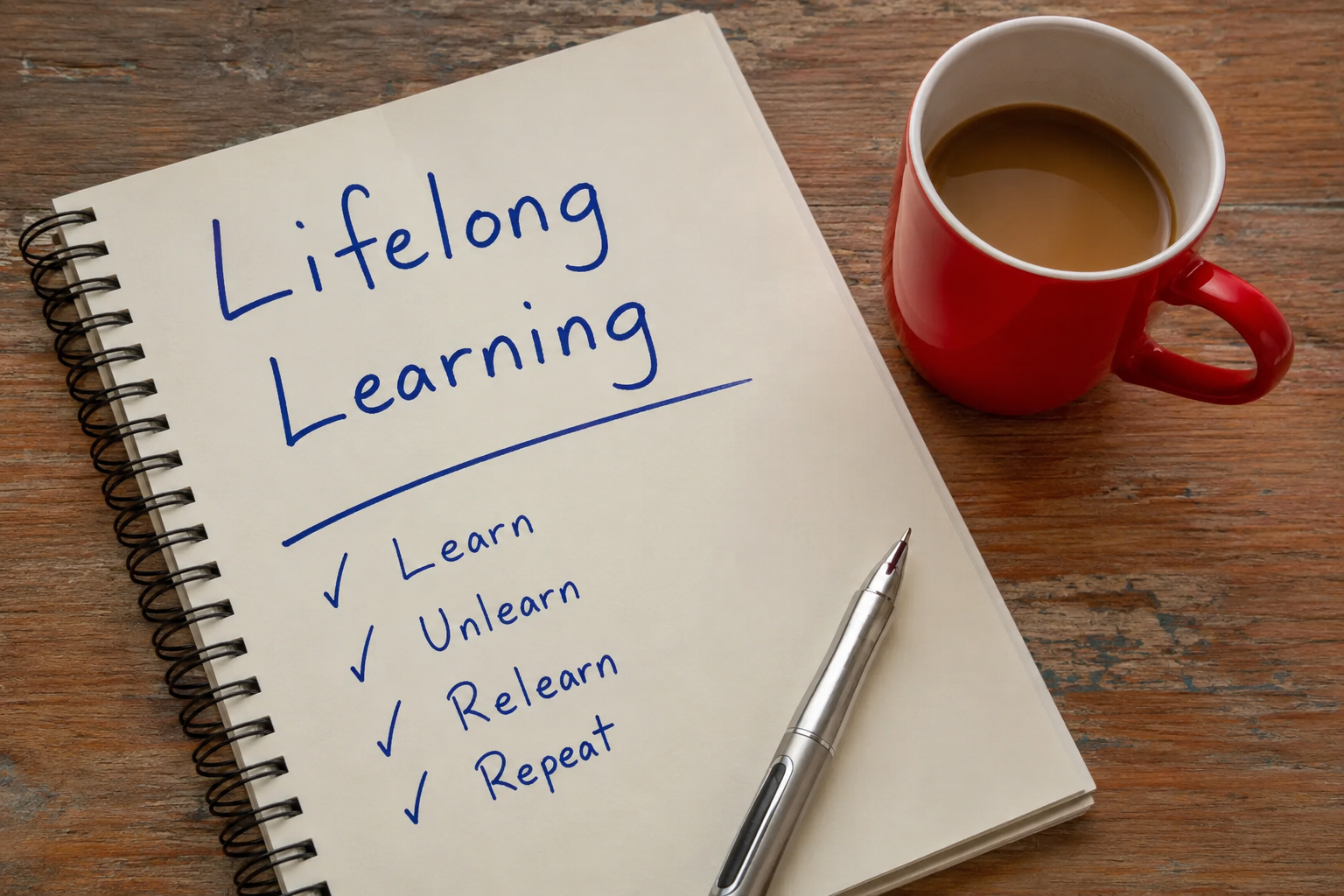
Lifelong learning has become one of the most important ideas in modern society. Education is no longer limited to schools, colleges, or universities. People today need to continue learning throughout their lives because the world is changing quickly. New technologies, changing job markets, digital communication, and new social challenges are creating a strong need for people to improve their knowledge and skills regularly. Lifelong learning helps individuals stay informed, confident, productive, and prepared for the future.
In the past, many people believed that education ended after completing formal studies. Today, this idea is changing. A person may complete a degree and still need to learn new skills to remain successful in a career. Similarly, people can learn new subjects for personal development, hobbies, relationships, or everyday life. This is why lifelong learning is important for people of all ages.
What Is Lifelong Learning?
Lifelong learning means continuing to gain knowledge and develop skills throughout life. It can happen through formal education, online courses, workshops, books, professional training, practical experience, or even everyday activities. It does not require a person to return to a traditional classroom. Modern technology has made learning more flexible and accessible than ever before.
For example, a working professional can take an online course after work. A parent can learn about financial planning through educational websites. A retired person can learn a new language or develop a creative hobby. These activities are all examples of lifelong learning.
The main purpose of lifelong learning is not simply to collect certificates. It is about developing curiosity, improving abilities, understanding the world, and becoming better prepared for new opportunities and challenges.
Lifelong Learning and Career Development
One of the biggest benefits of lifelong learning is career development. The modern workplace changes constantly. New technologies and working methods are introduced regularly, and employees who fail to update their skills may find it difficult to remain competitive.
For example, digital skills have become important in many professions. Employees may need to understand software, online communication, data analysis, artificial intelligence, or digital marketing. Learning these skills can help workers perform their current responsibilities more effectively and prepare for future career opportunities.
Lifelong learning can also help people change careers. Someone who is unhappy with a current profession can learn new skills and move into another field. Online education and professional training have made career changes more achievable for many people.
Employers also benefit when employees continue learning. Skilled employees can solve problems more effectively, adapt to changes, and contribute new ideas to the organization.
Technology Has Made Learning Easier
Technology has completely changed the way people learn. In the past, learners often depended on physical books, classrooms, and local teachers. Today, knowledge is available through computers, smartphones, online courses, educational videos, podcasts, digital libraries, and learning platforms.
This accessibility makes lifelong learning easier for people who have busy schedules. A person can study at home, during a break, or while traveling. Online learning also allows people to choose subjects according to their interests and career goals.
Artificial intelligence is also becoming part of modern education. AI based learning tools can help learners understand difficult topics, practice skills, organize information, and receive personalized support. When used responsibly, technology can make learning more convenient and engaging.
However, technology should be used carefully. Learners should check information from reliable sources and develop critical thinking skills rather than accepting everything they find online.
Lifelong Learning Improves Critical Thinking
Modern society provides people with an enormous amount of information every day. Social media, websites, advertisements, videos, and news platforms constantly present new ideas and opinions. Without critical thinking, it can be difficult to determine which information is accurate.
Lifelong learning helps people develop the ability to question information, compare different viewpoints, and make informed decisions. A person who regularly learns is more likely to examine evidence before forming an opinion.
Critical thinking is useful in both professional and personal life. It can help people make better financial decisions, understand social issues, solve workplace problems, and avoid misleading information. For this reason, lifelong learning is closely connected with responsible citizenship in modern society.
Personal Growth and Self Confidence
Lifelong learning is not only about careers. It also plays an important role in personal growth. Learning something new can increase confidence and create a sense of achievement.
When people develop a new skill, they often become more willing to face challenges. For example, someone who learns public speaking may become more confident in professional meetings. A person who learns a new language may feel more comfortable communicating with people from different cultures.
Learning also gives people opportunities to discover new interests. Reading books, learning photography, studying history, cooking new dishes, playing an instrument, or exploring science can make life more interesting and meaningful.
Lifelong Learning Supports Adaptability
Adaptability is one of the most valuable qualities in modern society. Changes can happen quickly, and people need to adjust to new circumstances. Lifelong learning helps individuals become more comfortable with change because they develop a habit of learning and improving.
A person who believes learning ends after formal education may find major changes difficult. In contrast, someone who regularly learns new things is more likely to see change as an opportunity rather than a threat.
This attitude is especially important in the workplace. Companies may introduce new software, new systems, or new responsibilities. Employees who are willing to learn can adapt more easily and continue contributing to their organizations.
Lifelong Learning Builds a Stronger Society
The benefits of lifelong learning extend beyond individuals. A society with educated and curious citizens can become more innovative, productive, and responsible.
People who continue learning are better prepared to participate in community activities and understand important social issues. Education can encourage tolerance because learning about different cultures and perspectives helps people understand others.
Lifelong learning can also support economic development. When workers improve their skills, businesses can become more productive and innovative. Skilled communities are better prepared to respond to economic changes and technological developments.
Learning in the Digital Age
The digital age has created many opportunities for lifelong learners. People can access educational material from institutions and experts around the world without needing to travel. This has made education more flexible and affordable for many learners.
However, digital learning also requires discipline. Because online education provides freedom, learners need to manage their time and remain motivated. Creating realistic learning goals can make the process easier.
For example, instead of trying to complete a large course quickly, a learner can study for thirty minutes each day. Small and regular efforts can create meaningful progress over time.
How to Develop a Lifelong Learning Habit
Developing a lifelong learning habit does not need to be difficult. The first step is to identify an area that needs improvement or an area of personal interest. After that, a person can choose a suitable learning method.
Reading regularly is a simple way to develop knowledge. Online courses can help with professional skills, while educational videos and podcasts can provide information during free time. Practical activities are also useful because people often remember information better when they apply it.
Setting small goals can make learning easier. A person might decide to read one book each month, complete one online course every few months, or spend a certain amount of time each week practicing a new skill.
The most important thing is consistency. Lifelong learning is not about becoming an expert overnight. It is about making continuous improvement part of everyday life.
Conclusion
The importance of lifelong learning in modern society continues to grow as technology, careers, and social conditions change. Learning throughout life helps people develop professional skills, improve critical thinking, build confidence, and adapt to new situations.
Modern education has made learning more accessible through online courses, digital resources, educational platforms, and other technologies. People no longer need to depend only on traditional classrooms to gain useful knowledge.
Lifelong learning is ultimately a mindset. It encourages people to remain curious, open minded, and willing to improve. Whether someone is a student, employee, business owner, parent, or retired person, there is always something new to discover.
In a rapidly changing world, the ability to keep learning may be one of the most valuable skills a person can have. By making lifelong learning a regular part of life, individuals can prepare themselves for future opportunities while also contributing to a stronger, more knowledgeable, and more adaptable society.