
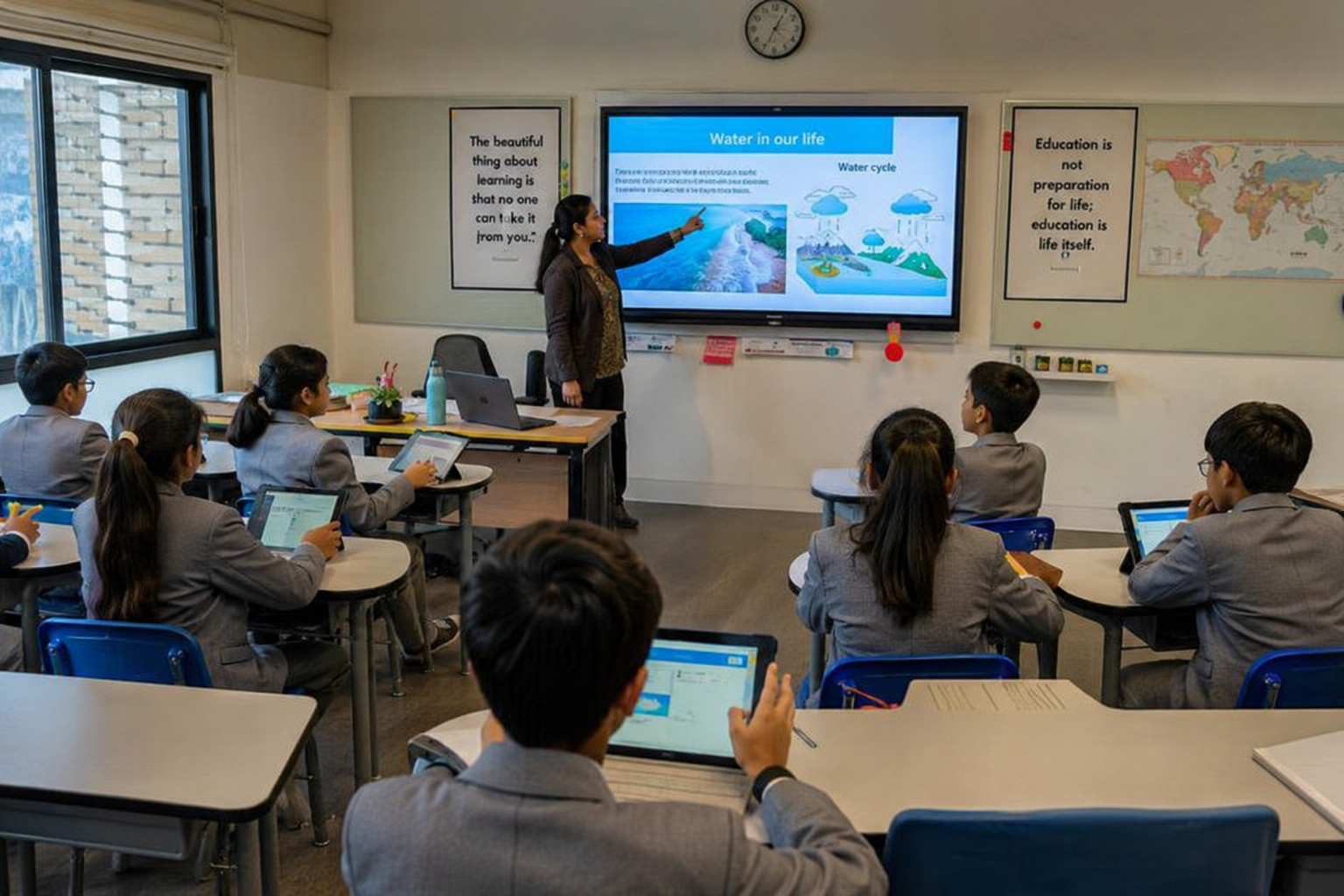
Education has always changed with society, technology, and the needs of learners. Over the next decade, education may experience some of the biggest changes in its history. New technologies, changing job markets, online learning, artificial intelligence, and personalized teaching methods are likely to influence how students learn and how teachers teach. Traditional classrooms will probably continue to exist, but the learning experience may become more flexible, digital, interactive, and focused on individual student needs.
The future of education is not only about using more technology. It is also about developing better learning methods, improving access to education, and preparing students for a world that is changing quickly. Schools, colleges, universities, teachers, parents, and students may all need to adapt to new expectations. Understanding these possible changes can help us prepare for the future of learning.
More Personalized Learning
One of the most important changes in education may be the growth of personalized learning. Today, many students in the same classroom follow the same lessons, complete similar assignments, and take tests at similar times. However, every student learns differently. Some students understand a topic quickly, while others need more explanation and practice.
In the next decade, technology may help teachers create learning experiences based on individual student needs. Digital learning platforms can identify areas where students are struggling and provide additional exercises or explanations. Students who learn quickly may receive more advanced material, while students who need support may receive lessons at a comfortable pace.
Personalized education may make learning more effective because students can spend more time focusing on their actual learning needs instead of simply following the same schedule as everyone else.
Greater Use of Artificial Intelligence
Artificial intelligence may become an important part of modern education. AI tools can already help students find information, practice skills, organize ideas, and receive feedback. In the future, these tools may become more advanced and more common in schools and universities.
AI may work as a learning assistant that provides explanations, practice questions, language support, and personalized feedback. Teachers may also use artificial intelligence to identify learning difficulties and understand student progress.
However, AI will not necessarily replace teachers. Human teachers provide emotional support, motivation, creativity, communication, and understanding that technology cannot fully reproduce. The most successful education system may combine artificial intelligence with strong human teaching.
Growth of Online and Hybrid Education
Online education has already become an important part of learning, and its role may become even larger during the next decade. Students may have more opportunities to study from home, attend virtual classes, watch recorded lessons, and communicate with teachers through digital platforms.
Hybrid education may become especially common. In this model, students combine classroom learning with online education. They may attend school for practical activities, discussions, teamwork, and social interaction while completing some lessons and assignments online.
This flexible approach can help students manage their time and access educational resources from different locations. It may also provide more opportunities for people who cannot attend traditional educational institutions every day.
Smart Classrooms May Become Common
Classrooms of the future may look very different from traditional classrooms. Smart boards, digital displays, educational applications, virtual reality tools, and interactive learning systems may become more common.
Students may be able to explore historical places through virtual reality, conduct digital science experiments, or study complex subjects through interactive simulations. Instead of only reading about a subject, students may experience it in a more practical and engaging way.
Smart classrooms may also help teachers present information in different formats. Videos, animations, digital models, and interactive activities can make difficult topics easier to understand.
More Focus on Practical Skills
Education in the next decade may place greater importance on practical skills. Academic knowledge will remain important, but students may also need skills such as communication, problem solving, creativity, teamwork, digital literacy, critical thinking, and adaptability.
The job market is changing because of automation and new technologies. Some traditional jobs may disappear while new careers are created. Students will therefore need to learn how to apply knowledge instead of simply memorizing information.
Schools may introduce more project based learning, real world activities, teamwork, presentations, and practical assignments. These methods can help students understand how their education connects with real life and future careers.
Teachers Will Become Learning Guides
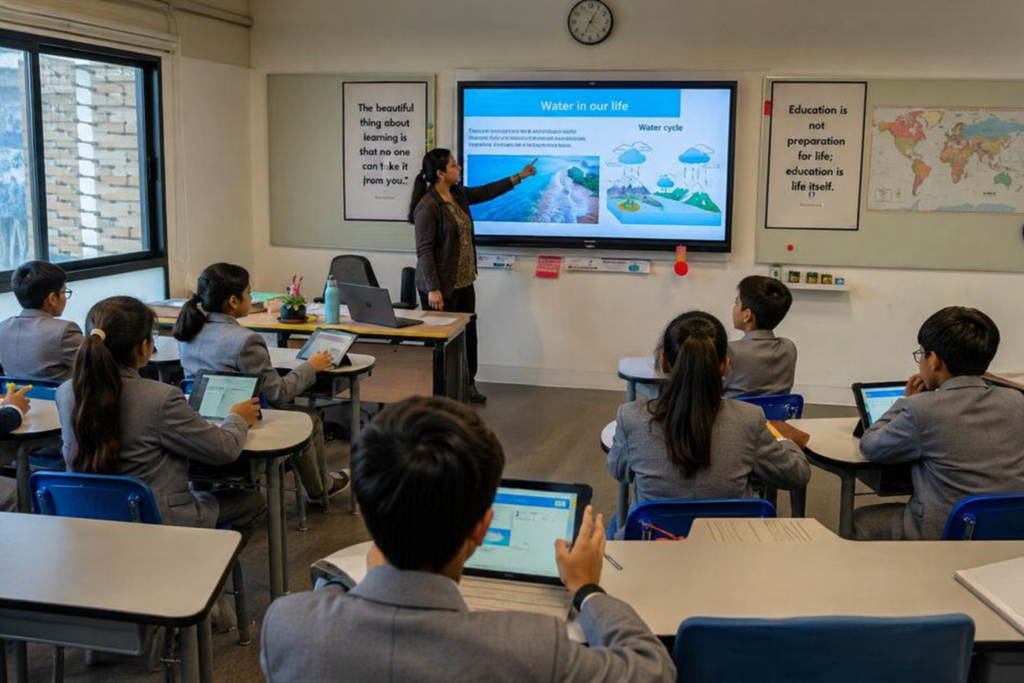
The role of teachers may also change significantly. Teachers will continue to provide knowledge, but they may spend more time guiding students, encouraging discussion, supporting individual learning, and helping students solve problems.
Technology can provide information quickly, but students still need teachers to understand how to evaluate information and use it responsibly. Teachers may become learning coaches who help students develop confidence, curiosity, and independent thinking.
Professional development for teachers may also become more important. Educators will need to understand new technologies and modern teaching methods so they can use them effectively in the classroom.
Lifelong Learning Will Become More Important
Education may no longer be something people complete only during childhood and early adulthood. Lifelong learning may become a normal part of professional and personal life.
As technology changes industries, workers may need to learn new skills several times during their careers. Online courses, professional training, digital certifications, and short learning programs may help people update their knowledge.
This means education may become a continuous process rather than a single stage of life. People may return to learning whenever they need new skills or want to change their career direction.
Digital Literacy Will Become Essential
Digital literacy may become one of the most important skills for students. Knowing how to use a computer or smartphone will not be enough. Students may need to understand online safety, digital communication, information evaluation, artificial intelligence, privacy, and responsible technology use.
The internet provides access to enormous amounts of information, but not all information is accurate. Future education may therefore focus more on teaching students how to identify reliable sources, recognize misleading content, and think critically before accepting information.
More Global Learning Opportunities
The next decade may also make education more connected across countries. Students may be able to participate in online classes with teachers and learners from different parts of the world.
International digital classrooms can expose students to different cultures, languages, ideas, and perspectives. This can help young people develop better communication skills and a stronger understanding of global issues.
Universities and educational institutions may also create more international online programs, allowing students to learn from experts who live in different countries.
Assessment May Change
Traditional examinations may also change in the future. Instead of depending heavily on memorization based tests, schools may use projects, presentations, practical activities, portfolios, and continuous assessment.
Digital platforms may allow teachers to monitor student progress throughout the learning process. This can provide a clearer picture of what students understand and where they need help.
Future assessment may focus more on how students use knowledge rather than how much information they can remember for an examination.
Education May Become More Accessible
Technology may help make education available to more people. Students living in remote areas may access online courses and digital educational materials without needing to travel long distances.
Affordable online resources may also provide learning opportunities for people who cannot attend expensive institutions. However, equal access to devices and reliable internet will remain an important challenge. Governments and educational organizations may need to invest in digital infrastructure so that technology does not increase the education gap.
Conclusion
Education may change dramatically during the next decade as technology, artificial intelligence, online learning, and changing career requirements influence the way people learn. Personalized education, smart classrooms, practical skills, digital literacy, lifelong learning, and hybrid education may become important parts of modern education.
The future of education will not simply be about replacing books with computers or teachers with artificial intelligence. The real goal will be to create a learning environment that helps students become knowledgeable, creative, independent, adaptable, and prepared for future challenges.
The next decade may bring many new opportunities, but it will also require schools and teachers to adapt carefully. If technology is combined with effective teaching and strong human values, the future of education can provide students with better opportunities to learn and succeed in a rapidly changing world.