
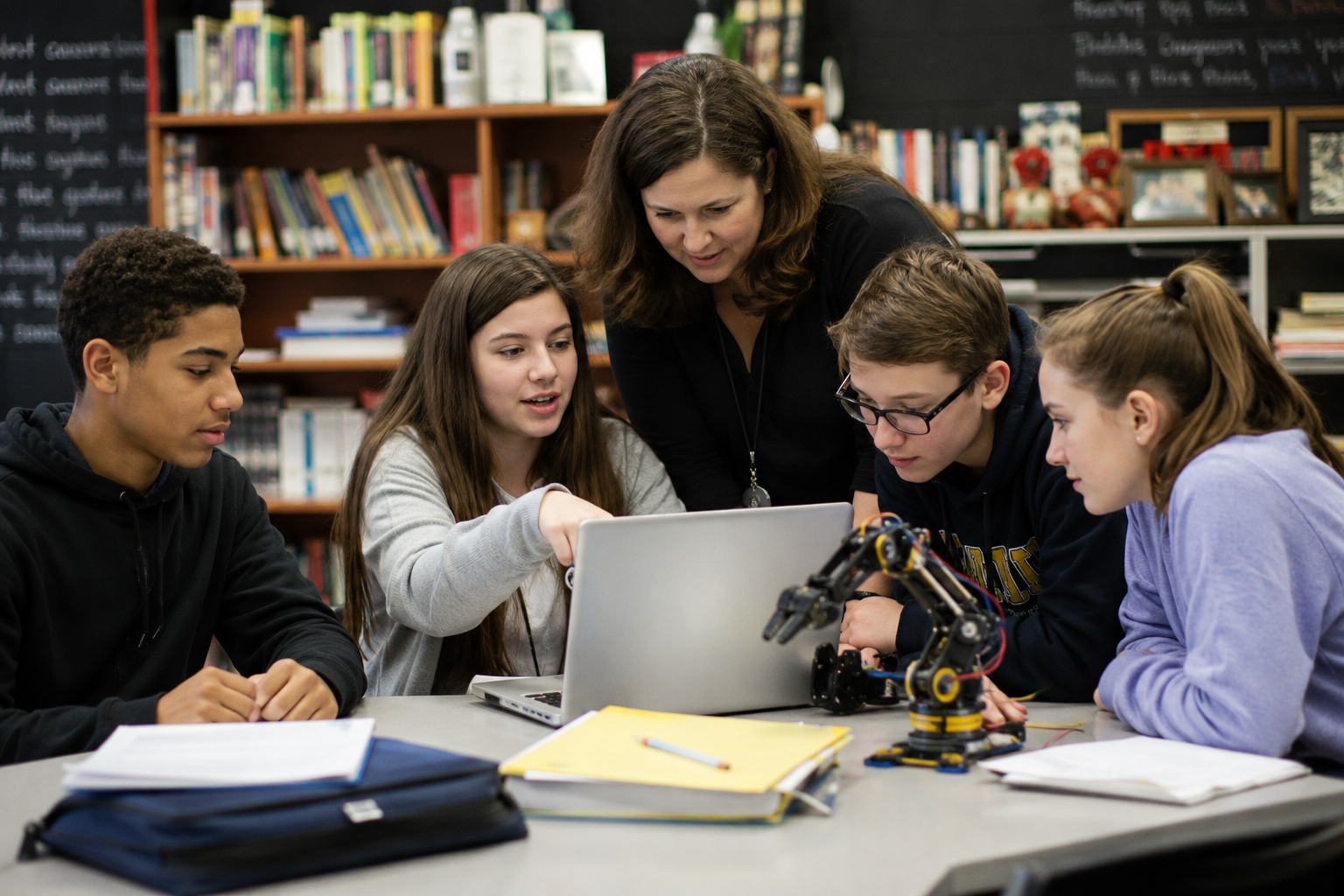
Education has always played an important role in shaping individuals and societies. However, the way people learn is changing quickly because of new ideas, technologies, and teaching methods. Innovation in education is becoming an important part of modern learning because students need more than traditional knowledge to succeed in a changing world. They need creativity, communication skills, problem solving abilities, digital skills, and the confidence to learn independently.
The role of innovation in the future of education is not only about using computers or smart devices in classrooms. It is about creating better learning experiences, improving teaching methods, supporting different types of learners, and preparing students for future challenges. Educational innovation can help schools, colleges, universities, teachers, and students create a learning environment that is more flexible, engaging, and effective.
What Is Innovation in Education
Innovation in education means introducing new ideas, methods, tools, and approaches that improve the learning process. It can include digital learning platforms, artificial intelligence, interactive classrooms, online courses, virtual learning environments, project based learning, personalized education, and new assessment methods.
Educational innovation does not always require expensive technology. A teacher who introduces a creative classroom activity or develops a new way to explain a difficult subject is also using innovation. The main goal is to make education more useful and meaningful for students.
As society changes, education must also change. Students today have access to huge amounts of information through the internet. Therefore, the role of teachers is becoming less focused on simply delivering information and more focused on helping students understand, evaluate, and use information effectively.
Technology and the Future of Education
Technology is one of the strongest forces behind innovation in education. Digital tools have changed the way students access information and communicate with teachers. Students can now watch educational videos, attend online classes, use digital libraries, complete interactive exercises, and communicate with classmates from different locations.
Artificial intelligence is also becoming an important part of modern education. AI based tools can help students practice subjects, receive explanations, identify learning gaps, and get personalized support. Teachers can also use technology to organize lessons, analyze student performance, and create learning materials.
However, technology should support education rather than replace teachers. Human interaction remains extremely important because teachers provide motivation, emotional support, guidance, and personal understanding that technology cannot fully provide.
Personalized Learning
One of the most important benefits of innovation in education is personalized learning. Traditional classrooms often use the same lesson and learning speed for every student. However, students have different abilities, interests, learning styles, and educational needs.
Modern educational technology can help create more personalized learning experiences. Students can practice difficult topics for additional time while advanced learners can move toward more challenging activities. Digital platforms can provide feedback based on individual performance and help teachers understand where students need additional support.
Personalized learning can make education more effective because students are given opportunities to learn according to their own needs. It can also increase confidence because students can progress without feeling pressured to follow exactly the same pace as everyone else.
Innovation Makes Learning More Engaging
Student engagement is an important part of successful education. When students are interested in a lesson, they are more likely to participate, ask questions, and remember what they learn.
Innovation can make classrooms more engaging through interactive activities, educational games, multimedia content, group projects, simulations, and real world problem solving. Instead of listening to a lecture for an entire class, students can become active participants in the learning process.
For example, a science teacher can use a digital simulation to demonstrate an experiment. A history teacher can use virtual tours to help students explore important historical places. A business teacher can create practical activities where students develop their own business ideas.
These approaches connect education with real life and make learning more meaningful.
The Changing Role of Teachers
Innovation is also changing the role of teachers. In traditional education, teachers were often viewed as the main source of knowledge. Today, students can find information from many sources, so teachers increasingly act as guides, mentors, facilitators, and learning partners.
Modern teachers need to know how to use digital tools effectively and how to encourage students to think independently. They also need strong communication skills, creativity, flexibility, and the ability to adapt to new teaching methods.
Technology does not reduce the importance of teachers. Instead, it can give teachers more opportunities to focus on meaningful interaction with students. When routine tasks are supported by technology, teachers can spend more time helping students solve problems, develop ideas, and build confidence.
Preparing Students for Future Careers
The future workplace will require skills that go beyond traditional academic knowledge. Many careers are already changing because of automation, artificial intelligence, digital communication, and new technologies.
Innovation in education can prepare students for these changes by developing skills such as critical thinking, creativity, collaboration, communication, digital literacy, and problem solving. Students can learn through projects that require them to research information, work with others, make decisions, and present their ideas.
Future education should also encourage adaptability. Students may change careers several times during their lives, so they need to become comfortable with continuous learning. The ability to learn new skills can become one of the most valuable qualities in the future workforce.
Online and Flexible Education
Online education has created new opportunities for students who cannot always attend traditional classrooms. People can now learn through online courses, recorded lessons, digital classrooms, and remote learning platforms.
Flexible education can benefit working adults, students living far from educational institutions, and people who want to learn at their own pace. It also supports lifelong learning because people can continue developing their knowledge and skills throughout their lives.
The future of education is likely to include a combination of classroom learning and digital learning. This blended approach can provide the advantages of personal interaction while also giving students access to flexible digital resources.
Virtual and Experiential Learning
Another area of educational innovation is experiential learning. Students often understand concepts better when they can experience them rather than simply read about them.
Virtual reality and augmented reality can create immersive learning experiences. Students may be able to explore historical environments, visit places that are difficult to reach, practice professional skills, or understand complex scientific concepts through interactive environments.
Experiential learning can make difficult subjects easier to understand because students can connect theoretical information with practical experiences.
Innovation and Equal Access to Education
Educational innovation also has the potential to improve access to learning. Digital resources can reach students in remote areas and provide access to educational materials that may not be available locally.
However, innovation must be introduced carefully. Not every student has the same access to devices, reliable internet, or digital resources. This digital gap can create new educational inequalities.
For innovation to have a positive impact, schools and governments need to focus on affordable technology, teacher training, internet access, and digital literacy. Technology should make education more accessible rather than creating additional barriers.
Challenges of Innovation in Education
Although innovation provides many benefits, it also creates challenges. Teachers may need training before they can use new technologies effectively. Schools may face financial limitations when purchasing devices and software. Students can also become distracted by technology if digital tools are not used properly.
Privacy and data security are other important concerns. Schools need to protect student information and use educational technology responsibly.
Another challenge is maintaining a balance between technology and human interaction. Students still need face to face communication, teamwork, emotional support, and relationships with teachers and classmates. Innovation should improve these experiences rather than remove them.
The Importance of Lifelong Learning
Innovation is making lifelong learning more important than ever. Knowledge and technology continue to change, which means people cannot depend only on what they learn during school or university.
Modern education should encourage students to become independent learners who are comfortable asking questions, researching information, practicing new skills, and adapting to change. This mindset can help individuals remain prepared for new opportunities throughout their lives.
Lifelong learning can also support personal development. People can learn new languages, professional skills, creative activities, technology, or other subjects at any stage of life.
Conclusion
The role of innovation in the future of education will continue to grow as society and technology develop. Innovation can make learning more personalized, engaging, flexible, practical, and accessible. It can help teachers provide better support and prepare students for careers that may look very different from those of today.
However, successful educational innovation is not simply about adding more technology to classrooms. It requires thoughtful teaching, proper planning, teacher training, equal access, and a strong focus on student needs. The best future education system will combine human connection with modern tools.
As education continues to evolve, innovation will help create learning environments where students are not only prepared to pass exams but are also prepared to solve problems, think creatively, communicate effectively, and continue learning throughout their lives. By embracing meaningful innovation, education can become stronger and more relevant for future generations.