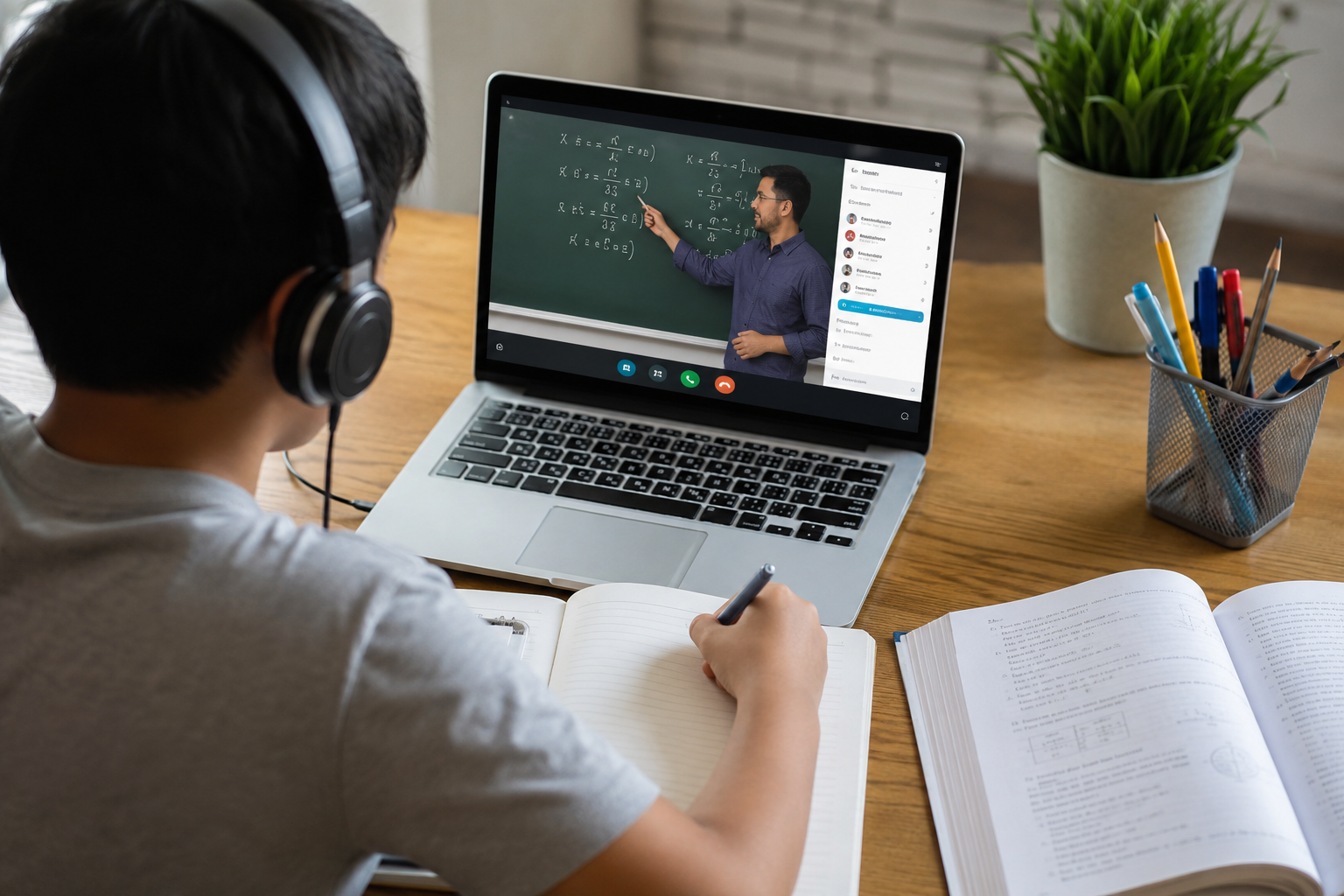
Online learning has become an important part of modern education. In the past, students mostly depended on schools, colleges, universities, books, and physical classrooms to gain knowledge. Today, the internet has changed the way students learn and teachers share information. With a computer, tablet, or smartphone and a reliable internet connection, students can attend lessons, watch educational videos, complete assignments, and communicate with teachers from almost anywhere.
The growth of online learning has made education more flexible and accessible. It has also created new opportunities for students who may not have easy access to traditional educational institutions. As technology continues to improve, online education is becoming a major part of the modern education system.
What Is Online Learning
Online learning is a method of education in which students use the internet and digital technology to study. Lessons can be delivered through educational websites, learning platforms, video classes, mobile applications, recorded lectures, online quizzes, and digital resources.
Some online courses are completely remote, while others combine online lessons with traditional classroom teaching. This flexible approach allows students to choose learning methods that fit their needs and daily schedules.
Online learning is used by schools, colleges, universities, training centers, businesses, and individual teachers. Students can learn many subjects online, including science, mathematics, languages, business, computer skills, arts, and professional skills.
Easy Access to Education
One of the biggest benefits of online learning is easy access to education. Traditional education often requires students to travel to a specific school or university. This can be difficult for students who live far away from educational institutions.
Online education reduces this problem by allowing students to study from home or another convenient location. A student living in a small town can take a course from a teacher or university located in another city or even another country.
This increased access can help more people continue their education. Students who have jobs, family responsibilities, or other commitments can also find online learning easier to manage.
Flexible Learning for Students
Online learning has changed education by giving students greater control over their study schedules. In a traditional classroom, students usually have to attend lessons at a fixed time. Online education can provide more flexibility.
Many online courses include recorded lectures that students can watch when they are available. Students can pause a lesson, replay difficult sections, and review important information several times.
This flexibility is especially useful for students who learn at different speeds. Some students understand a topic quickly, while others need more time and practice. Online learning gives students an opportunity to study according to their personal learning needs.
Learning From Anywhere
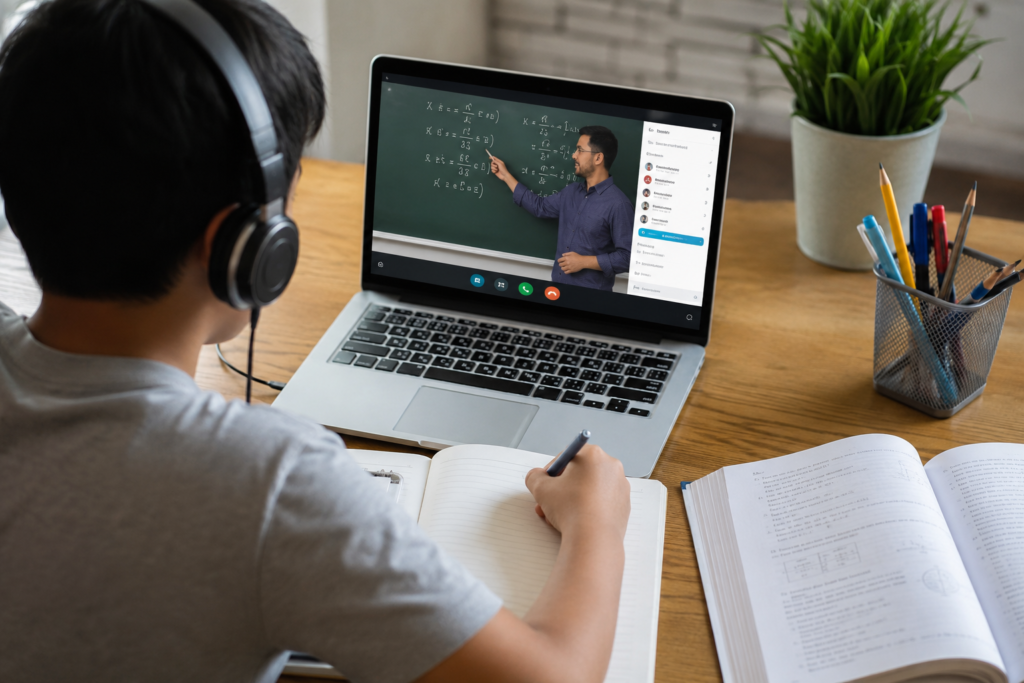
Another major change created by online learning is the ability to study from almost anywhere. Students no longer need to be physically present in a classroom for every lesson.
A student can attend an online class from home, a library, a workplace, or another suitable location. This has made education more convenient for many learners.
Online learning also became especially important when schools and universities faced situations that prevented normal classroom education. Digital learning platforms allowed teachers and students to continue educational activities even when physical classrooms were not available.
More Educational Resources
The internet provides students with access to a huge amount of educational information. In a traditional classroom, students may depend mainly on textbooks and teacher explanations. Online learning provides many additional resources.
Students can use digital books, educational videos, online articles, presentations, practice tests, discussion forums, and interactive activities. They can also search for different explanations of the same topic.
This variety of resources can make learning more interesting. If a student does not understand a topic from one explanation, they can find another explanation online.
Personalized Learning Experience
Online learning can also support personalized education. Every student has different abilities, interests, and learning habits. Digital platforms can provide different materials based on a student’s progress.
For example, a student who is struggling with a mathematics topic can spend extra time practicing that topic. Another student who understands it quickly can move forward to more advanced material.
Some online learning platforms also use technology to track student performance. Teachers can use this information to understand where students need additional support.
Improving Digital Skills
Online education does more than teach academic subjects. It also helps students develop important digital skills.
Students who regularly participate in online classes learn how to use digital platforms, search for information, communicate through online tools, submit assignments electronically, and manage digital files.
These skills are valuable in modern workplaces. Many jobs now require employees to use computers, communication platforms, online systems, and digital tools. Therefore, online learning can help students prepare for both education and future careers.
Changing the Role of Teachers
Online learning is also changing the role of teachers. Teachers are no longer only sources of information. They can act as guides who help students understand information and develop useful skills.
Teachers can create digital lessons, share online resources, organize virtual discussions, provide feedback, and communicate with students through digital platforms.
However, the teacher remains an important part of education. Technology can provide information, but students still need guidance, encouragement, explanation, and human communication. The best online learning environments combine useful technology with effective teaching.
Encouraging Independent Learning
Online learning encourages students to become more independent. In a traditional classroom, teachers often guide students through each part of a lesson. Online education can require students to take more responsibility for their own learning.
Students need to manage their time, complete assignments, watch lectures, participate in activities, and prepare for assessments.
Developing these habits can improve self discipline and time management. These skills can be useful not only in education but also in professional and personal life.
Challenges of Online Learning
Although online learning provides many benefits, it also has some challenges. One common problem is the lack of direct face to face interaction. Some students may feel isolated when they study alone for long periods.
Internet access can also be a problem. Not every student has a fast and reliable internet connection or a suitable device for online classes. This creates a digital gap between students.
Another challenge is maintaining concentration. Students studying at home may face distractions from mobile phones, social media, family members, or other activities.
Online learning also requires strong time management. Without a fixed classroom schedule, some students may delay their work or struggle to remain consistent.
The Importance of Student Motivation
Student motivation is very important in online education. Students need to remain active and interested in their studies even when teachers are not physically present.
Teachers can support motivation by creating interactive lessons, giving regular feedback, using practical examples, and encouraging communication between students.
Parents can also help younger students by creating a suitable study environment and encouraging them to follow a regular learning routine.
The Future of Online Learning
The future of online learning looks promising. Technology is developing quickly, and new educational tools are being introduced regularly. Artificial intelligence, virtual reality, interactive platforms, and smart learning systems may make digital education even more personalized and engaging.
However, online learning is unlikely to completely replace traditional education. Physical classrooms provide social interaction, direct communication, teamwork, and practical experiences that are difficult to reproduce fully online.
The future of education may therefore involve a combination of traditional classroom teaching and online learning. This approach can give students the advantages of both methods.
Conclusion
Online learning is changing education by making learning more flexible, accessible, convenient, and personalized. Students can study from different locations, access a wide range of educational resources, and learn at a pace that suits their needs.
At the same time, online education helps students develop digital skills, independence, time management, and other abilities that are important in modern life. Although challenges such as limited internet access, distractions, and reduced face to face interaction remain, online learning continues to provide valuable opportunities.
The future of modern education will likely depend on finding the right balance between technology and human teaching. Online learning can make education more accessible and effective when it is supported by good teachers, reliable technology, and motivated students. As digital technology continues to develop, online learning will remain an important force shaping the future of education.